Roundup
The Best Grow Lights
The main ranking: nine fixtures sorted on published data, with every gap named.
Top pick
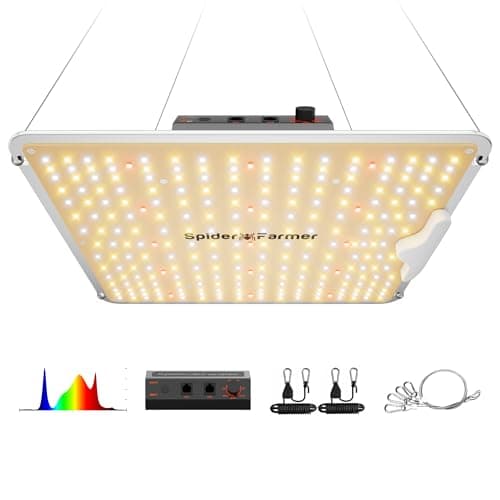
Spider Farmer SF1000
We have not tested any of these units. What we have done is read every published spec sheet, divide the figures against each other, and report what the manufacturer left out.
Every other site in this category says it tested twenty grow lights. We have tested none, and we say so at the top of every page. What we do instead is a job that is genuinely useful and that nobody else seems to bother with: read every specification a manufacturer publishes, divide the figures against each other, and report exactly what is missing.
That turns out to be more revealing than it sounds. Of the nine fixtures in this section:
That distribution is the single most useful thing we can tell you about this category, and it is invisible from any individual product page.
| We can tell you | We cannot tell you |
|---|---|
| Published photon output, and whether it divides correctly against the published wattage | Whether the fixture actually delivers its published output |
| Computed average PPFD over a stated area, with the arithmetic shown | Real PPFD at any point, which needs a meter and the unit in hand |
| Computed running cost from published wattage at your tariff | Whether the driver runs hot, buzzes, or fails in year three |
| Whether the form factor suits your shelf geometry | Build quality, fit and finish, or how the mounting hardware feels |
| Exactly which specifications a manufacturer declines to publish | Why they decline to publish them |
Diodes, driver and dimming, roughly in that order. Fixtures naming Samsung LM301H or Bridgelux diodes cluster at the efficient end. Dimming adds cost and is genuinely worth it if the fixture will ever sit over young seedlings. Beyond that, a substantial part of the price spread in this category is appearance — a pendant that belongs in a living room costs several times a bar of equivalent output and is usually less efficient.
Trusting a review that claims hands-on testing without publishing a method. If a review says a fixture measured a given PPFD, it should say which meter, at what height, at what point in the footprint, and with what else in the room. Reviews that skip all four are asserting, not measuring — and the assertion is unfalsifiable, which is precisely what makes it worthless.
Our full method, including every formula and every assumption, is on the methodology page.
Each of these names a top pick and links straight out to it. Prices come from the live price layer, which is why they read “check price” rather than showing a figure we cannot verify at the moment you load the page.
Roundup
The main ranking: nine fixtures sorted on published data, with every gap named.
Top pick
Spider Farmer SF1000
Roundup
The 100 W panel class compared on published output, efficacy and internal consistency.
Top pick
Spider Farmer SF1000
Roundup
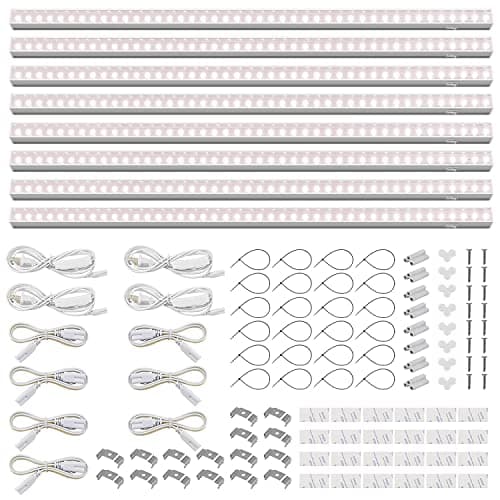
Linear fixtures for shelves and trays, and the disclosure gap running through the category.
Top pick
Barrina T5 4ft Grow Light Strips

Roundup
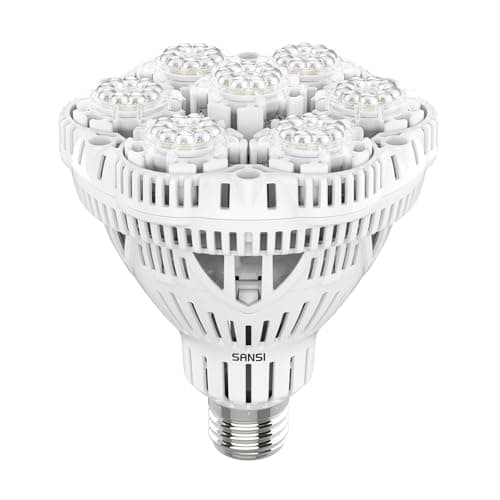
Screw-in fixtures for single plants, what the form factor costs, and how to place one.
Top pick
SANSI 36W BR30 Grow Light Bulb
Roundup
Which fixtures dim in repeatable steps versus an unmarked knob, and when dimming actually matters.
Top pick
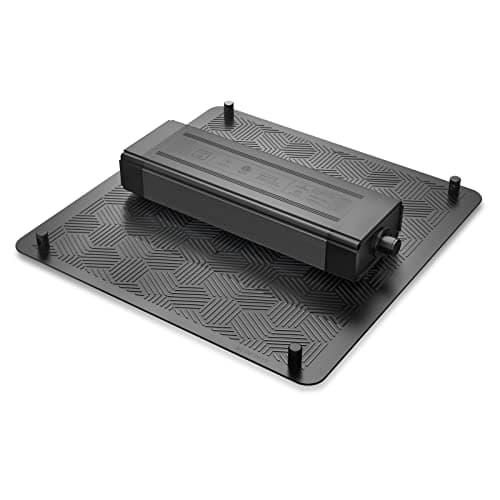
AC Infinity IONBOARD S22
Roundup
Four fixtures for a single desk plant, and why a panel is the wrong tool for one square foot.
Top pick
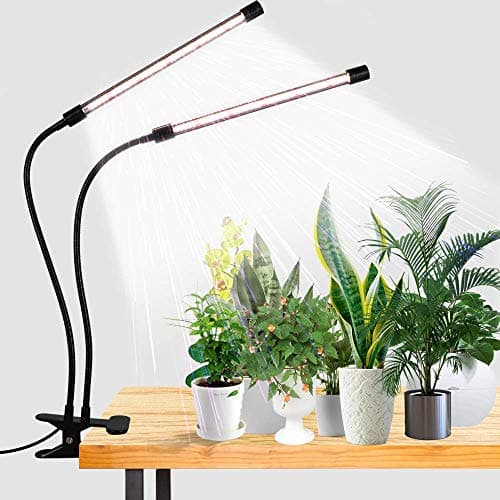
GooingTop Clip Grow Light
Roundup
Fixtures that fit under a cabinet, and the honest gap between that space and what herbs want.
Top pick
Barrina T5 4ft Grow Light Strips
Roundup
Five first fixtures judged on forgiveness — computable, dimmable, cheap to run — with an honest con each.
Top pick
Spider Farmer SF1000
Roundup
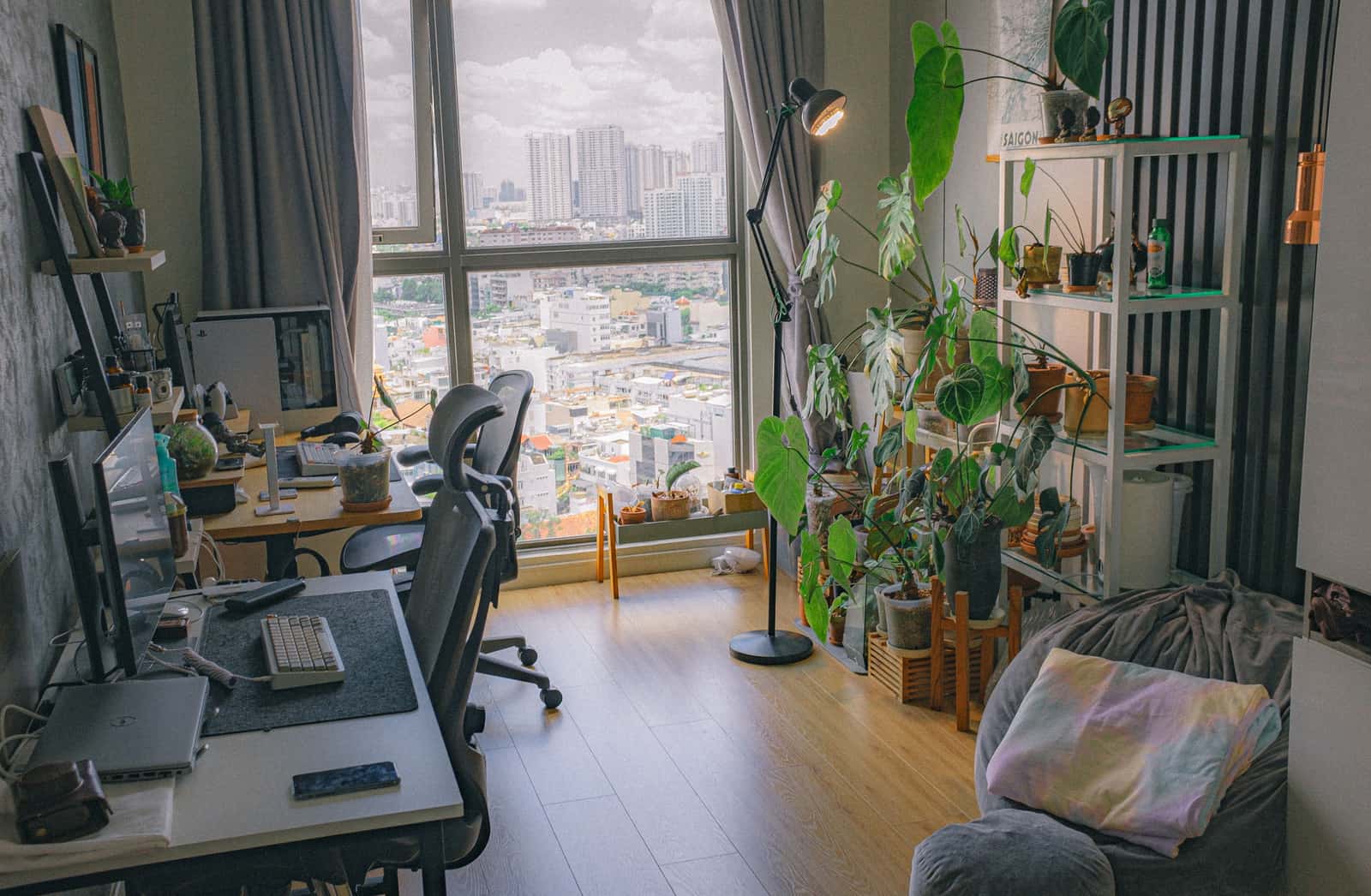
Four fixtures judged on the apartment constraints: no mounting, no footprint, tolerable in a living space, silent.
Top pick
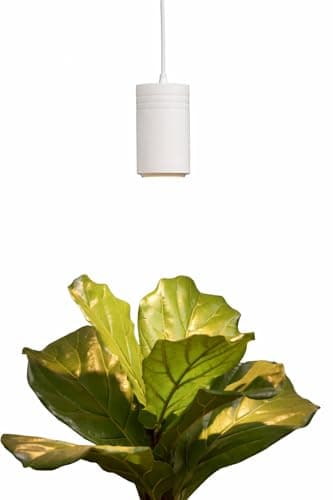
Soltech Aspect Gen 2

Roundup
What $50 buys: bulbs, not bars. Five picks ranked on published output, and the honest ceiling.
Top pick
SANSI 36W BR30 Grow Light Bulb
Roundup
Terrarium plants sit in the 3-6 mol/m2/day band. The target, the heat trap, and three fixtures sized for glass.
Top pick
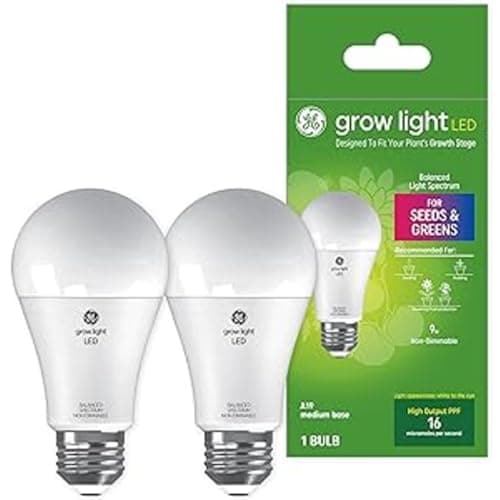
GE Grow A19 Bulb, Seeds and Greens (2-pack)
Roundup
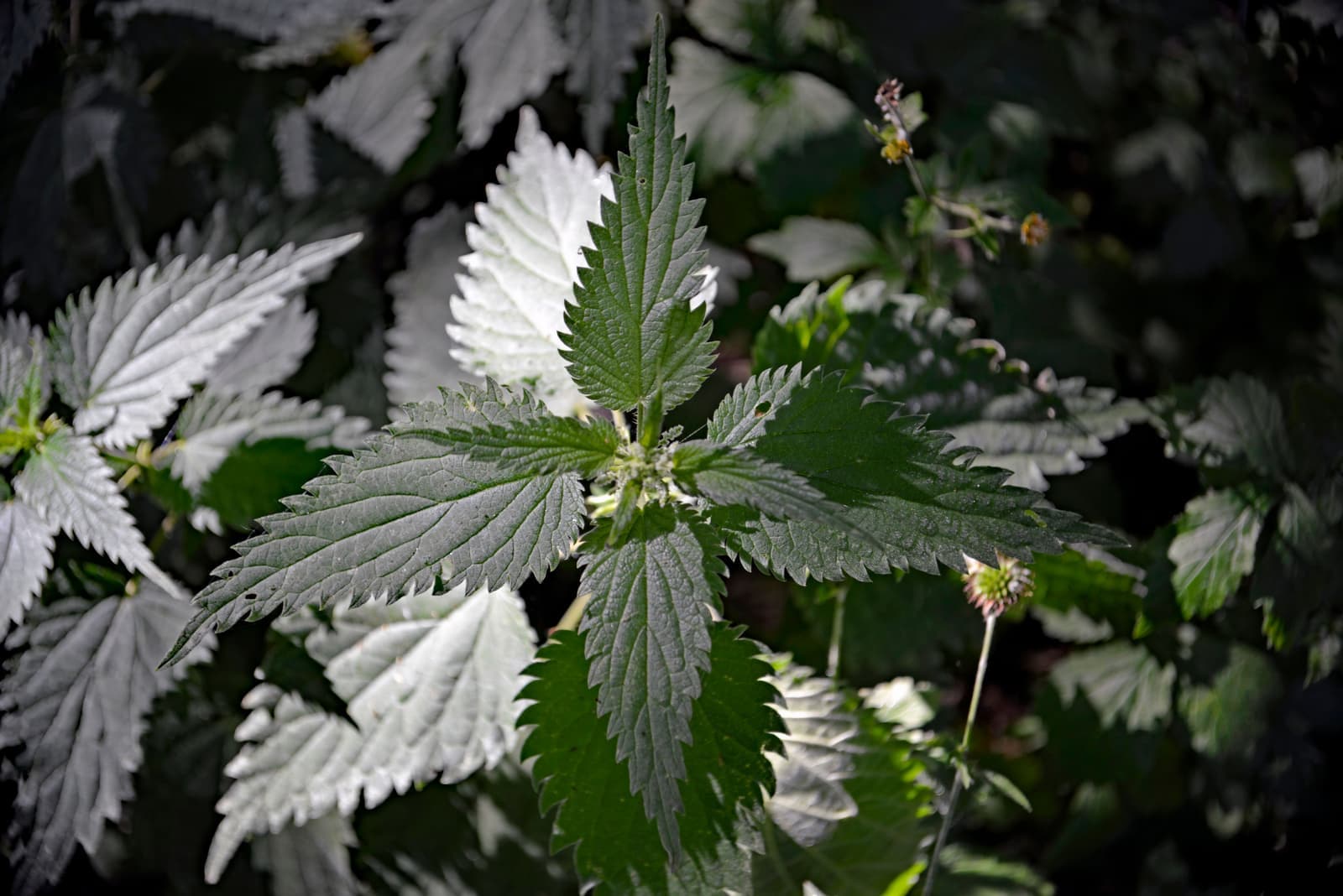
Damp and wet location ratings, the 3-6 mol/m2/day target, and the three fixtures that actually publish a rating.
Top pick
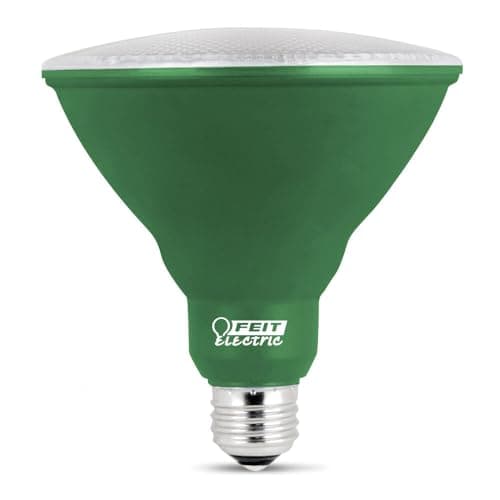
Feit Electric 16W PAR38 Grow Bulb
Roundup
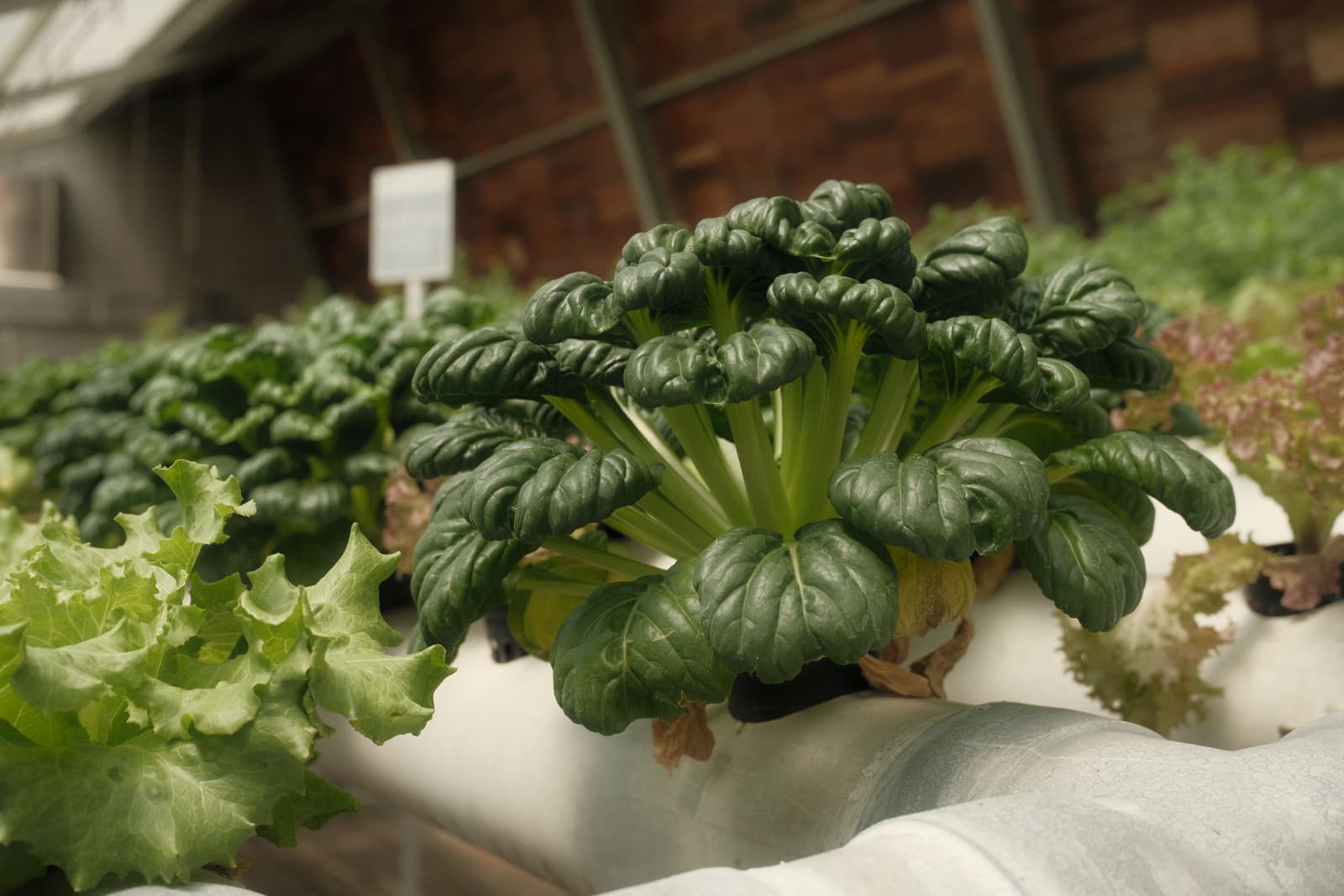
Leafy greens want 12-16 mol/m2/day. Four fixtures sized to that, and the damp ratings water changes.
Top pick
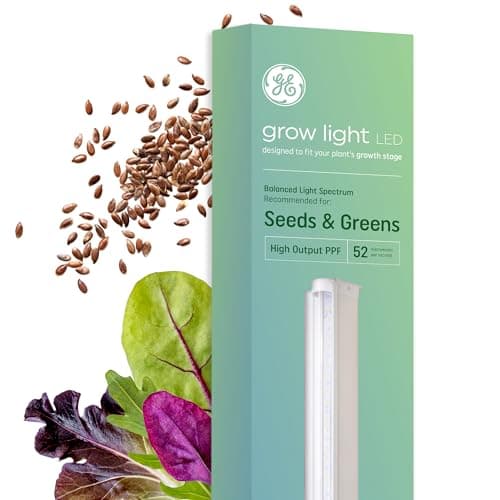
GE Grow Light 48in LED Fixture, Seeds and Greens
Comparison
Two panels in the same segment: one publishes photon data, the other publishes none.
Top pick
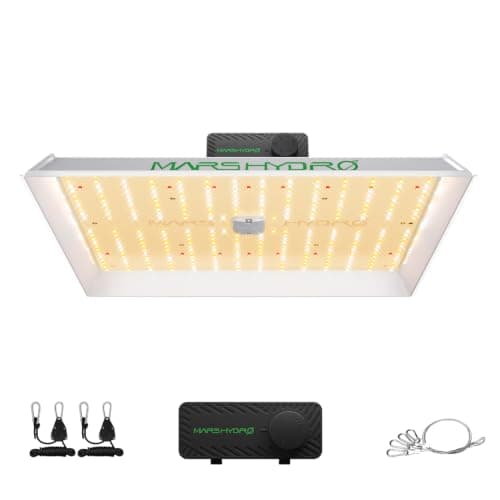
Mars Hydro TS 1000
Comparison
A 4 ft strip against a screw-in bulb: different shapes, different data, different jobs.
Top pick
Barrina T5 4ft Grow Light Strips
Guide
How the retail channels differ, and why the spec sheet is rarely on the listing.
Top pick
Spider Farmer SF1000
Guide
A diagnostic checklist for failing fixtures and for plants that say something is wrong.
Comparison
What T5 and T8 actually mean, why most are now LED, and how to tell what you are buying.
Top pick
Barrina T5 4ft Grow Light Strips
Guide
Do they work, what do they cost, and when to skip one — answered with published figures.
Top pick
Spider Farmer SF1000
Comparison
343 vs 249 µmol/s, 2.3 vs 2.5 µmol/J, 150 vs 100 W — coverage, cost and the gaps, computed.
Top pick
Mars Hydro TS 1000
Comparison
65.6 against 16 umol/s, at 1.82 against 1.78 umol/J. Four times the light for four times the watts.
Top pick
SANSI 36W BR30 Grow Light Bulb
Comparison
249.21 umol/s published against about 311 derived. One brand's figures check out; the other's headline number is unusable.
Top pick
AC Infinity IONBOARD S22
Comparison
343 umol/s at 150 W against about 311 at 115 W. More light, or more light per watt.
Top pick
Mars Hydro TS 1000
Comparison
65.6 against 50 umol/s at identical wattage. What the design premium buys, and when it is worth paying.
Top pick
SANSI 36W BR30 Grow Light Bulb
Review
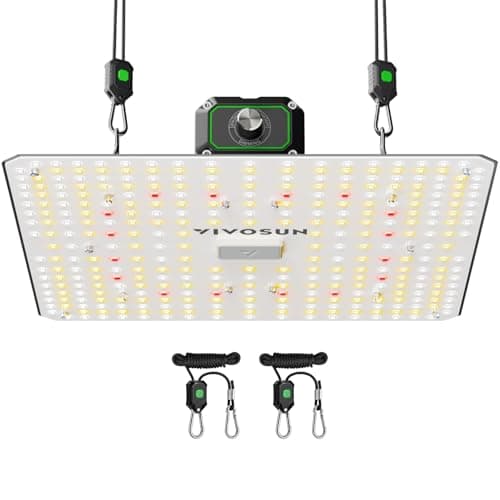
521 µmol/m2/s at a stated 12 in, no PPF and no efficacy. Placeable, but impossible to rank.
Top pick
VIVOSUN LumaLight 100W
Review
343 µmol/s published at 150 W. The most photons here, and the numbers are checkable.
Top pick
Mars Hydro TS 1000
Review
249.21 µmol/s from 100 W, and a 2.5 µmol/J claim that divides out correctly.
Top pick
Spider Farmer SF1000
Review
2.7 µmol/J on Samsung LM301H, and a PPFD claim with no measurement distance.
Top pick
AC Infinity IONBOARD S22
Review
Useful features, zero published photon data. What you can and cannot know before buying.
Top pick
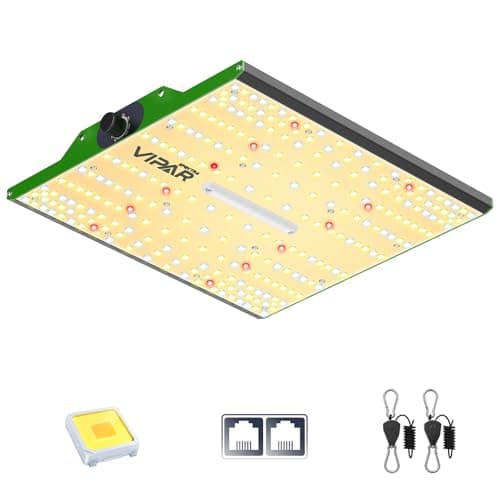
ViparSpectra P1000
Review
2.75 µmol/J published, with no PPF to check it against. The trade-off, examined.
Review
The default shelf bar. Correct form factor, unbeatable price per foot, zero published output.
Top pick
Barrina T5 4ft Grow Light Strips
Review
65.6 µmol/s and a PPFD at a stated 1 ft — enough to place it by arithmetic.
Top pick
SANSI 36W BR30 Grow Light Bulb
Review
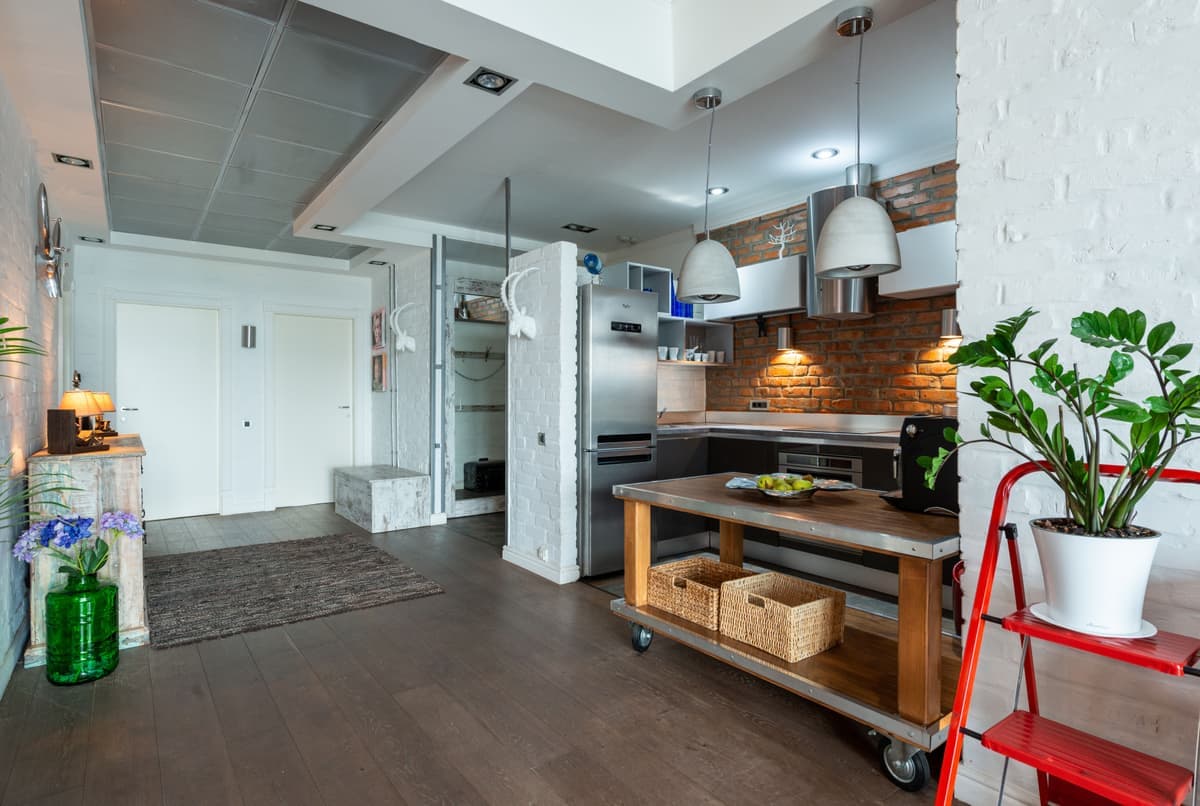
A living-room pendant with genuinely usable placement data and the lowest efficacy here.
Top pick
Soltech Aspect Gen 2

Review
A 10 W clip lamp with a repeating timer, and no manufacturer spec sheet to check.
Top pick
GooingTop Clip Grow Light
Review
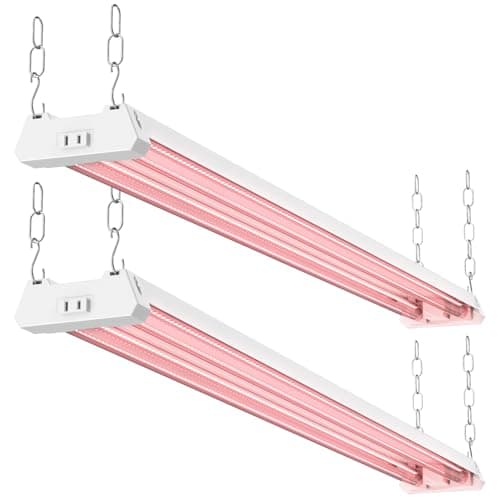
48.42 µmol/s on the 40 W works out to 1.21 µmol/J. The 80 W publishes nothing.
Top pick
SuncoGrow 4ft 40W Grow Light
Review
PPF published on all seven GE Grow products we checked, 1.56 to 1.80 µmol/J. No PPFD on any of them.
Top pick
GE Grow Light 48in LED Fixture, Seeds and Greens
Review
14.2 printed as mol/s would be megawatts. Read as µmol/s it is 1.58 µmol/J.
Top pick
Feit Electric 16W PAR38 Grow Bulb