Roundup
The Best Grow Lights for Seed Starting
Sized against a 12 mol/m2/day seedling target using published photon output, not marketing claims.
Top pick
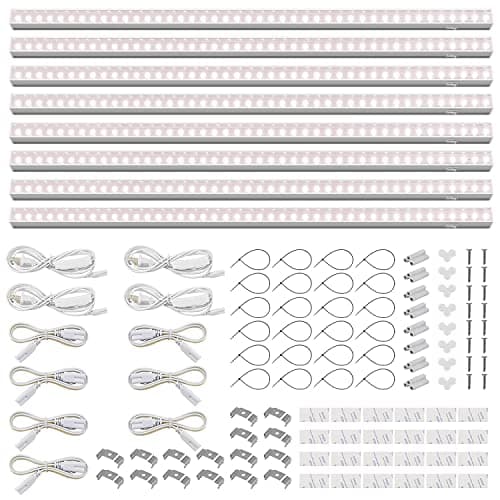
Barrina T5 4ft Grow Light Strips
Seedlings are the one situation where getting light wrong is instantly visible. Here is the target, the distance, the hours, and the shortlist.
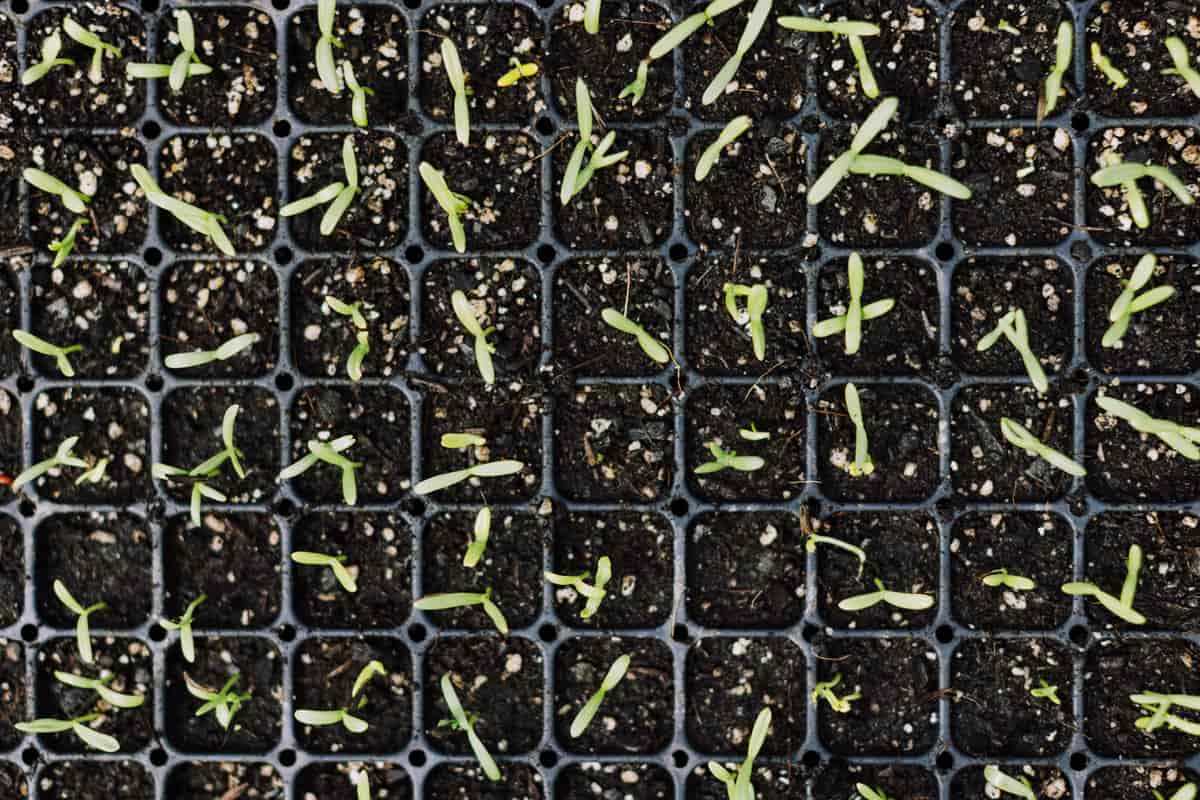
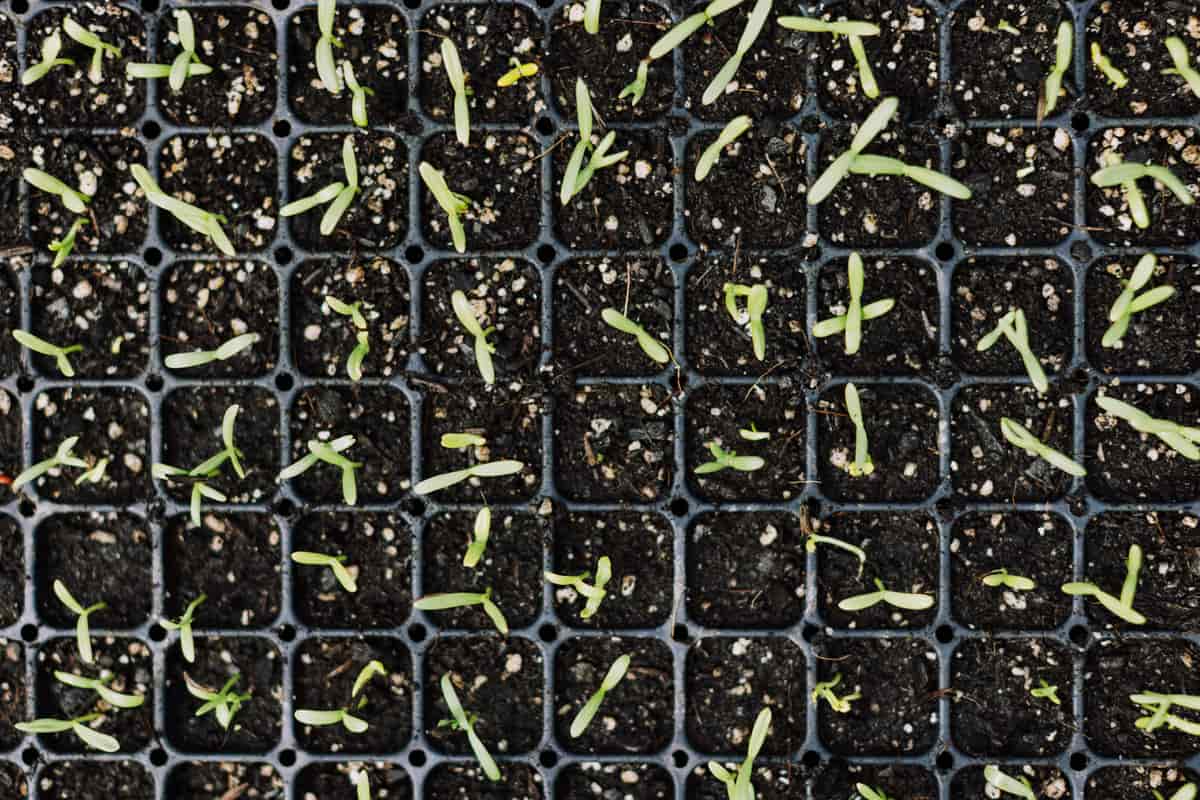
Seed starting is the one indoor-growing situation with a hard number attached. University of New Hampshire Extension puts the target at about 12 moles of light per square meter per day, and everything else — which fixture, how high, how many hours — is arithmetic downstream of that figure. It is why this section leads with numbers rather than with products.
The reason seedlings are unforgiving is that they have no reserves. A mature houseplant under-lit for a fortnight looks slightly duller. A tomato seedling under-lit for four days is permanently stretched: it throws its energy into stem length reaching for a brighter source, and you cannot shorten a stem afterward. Nearly every seed-starting disappointment traces back to that first week.
Three form factors, and the right one is decided by the shape of what you are lighting, not by brand:
Very little of it is spectrum. The price of a seed-starting fixture tracks three things: how many photons it produces, how efficiently it produces them, and whether it has a dimmer. Efficacy across the fixtures we have published specs for runs from 1.39 to 2.7 µmol/J — nearly a factor of two on the same electricity bill.
But because a seed-starting season is only about eight weeks, that gap works out at roughly $15 over the season at the US average electricity rate. For seed starting specifically, the cheaper fixture usually wins on total cost. Efficiency matters far more when you run the same light all winter for houseplants.
Hanging the fixture too high, and leaving it there. Intensity falls with roughly the square of distance, so a light at 12 inches delivers about a quarter of what it delivers at 6. UNH Extension puts the practical consequence starkly: the same LED bar needs 8 hours a day at 8 inches, but 16 hours a day at 20 inches to deliver the same daily total. Hang everything on adjustable chains and raise it weekly — that one habit does more for seedling quality than any upgrade.
If you want to check a specific fixture against your own tray before buying, the coverage calculator does the division, and PPFD targets by plant type gives the target for everything else that might share the shelf.
Each of these names a top pick and links straight out to it. Prices come from the live price layer, which is why they read “check price” rather than showing a figure we cannot verify at the moment you load the page.
Roundup
Sized against a 12 mol/m2/day seedling target using published photon output, not marketing claims.
Top pick
Barrina T5 4ft Grow Light Strips
Roundup
Cheap to buy and cheap to run are different things. We separate them with efficacy figures and an eight-week cost.
Top pick
Barrina T5 4ft Grow Light Strips
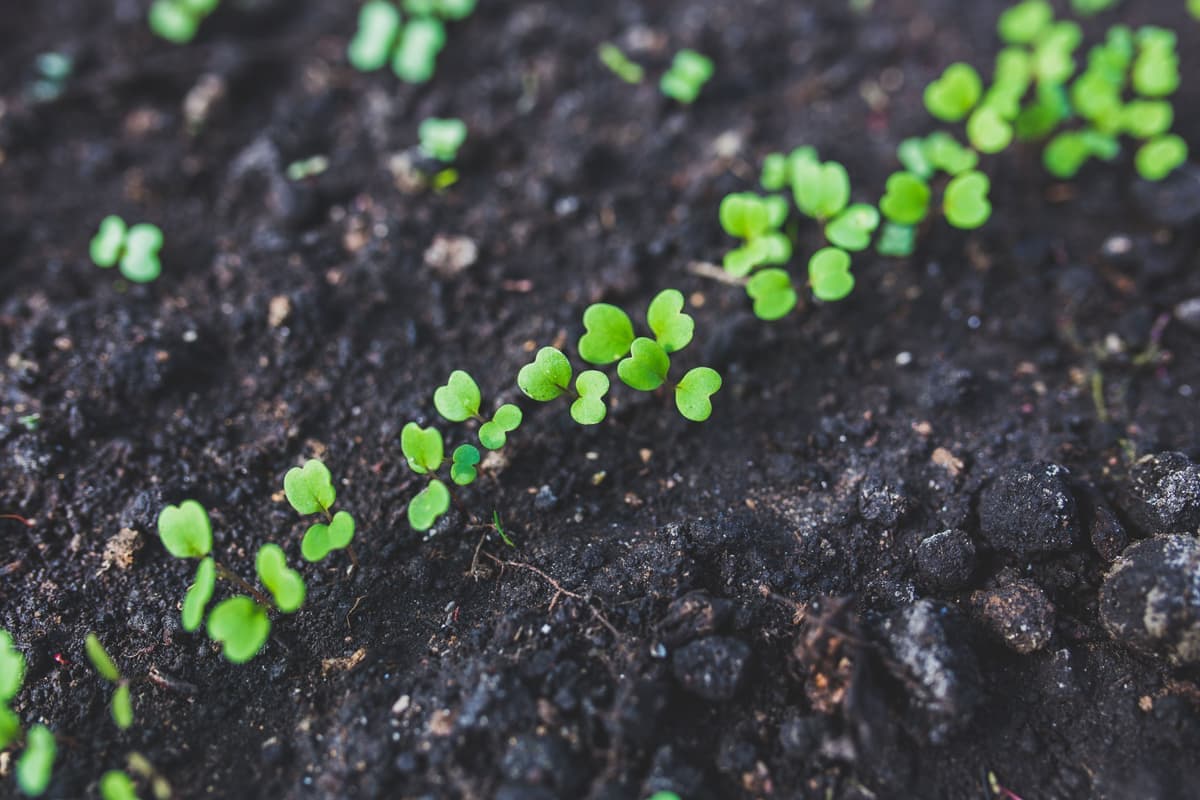
Guide
Distance by fixture type, in a table, with the inverse-square arithmetic that explains why an inch matters so much.
Top pick
Barrina T5 4ft Grow Light Strips
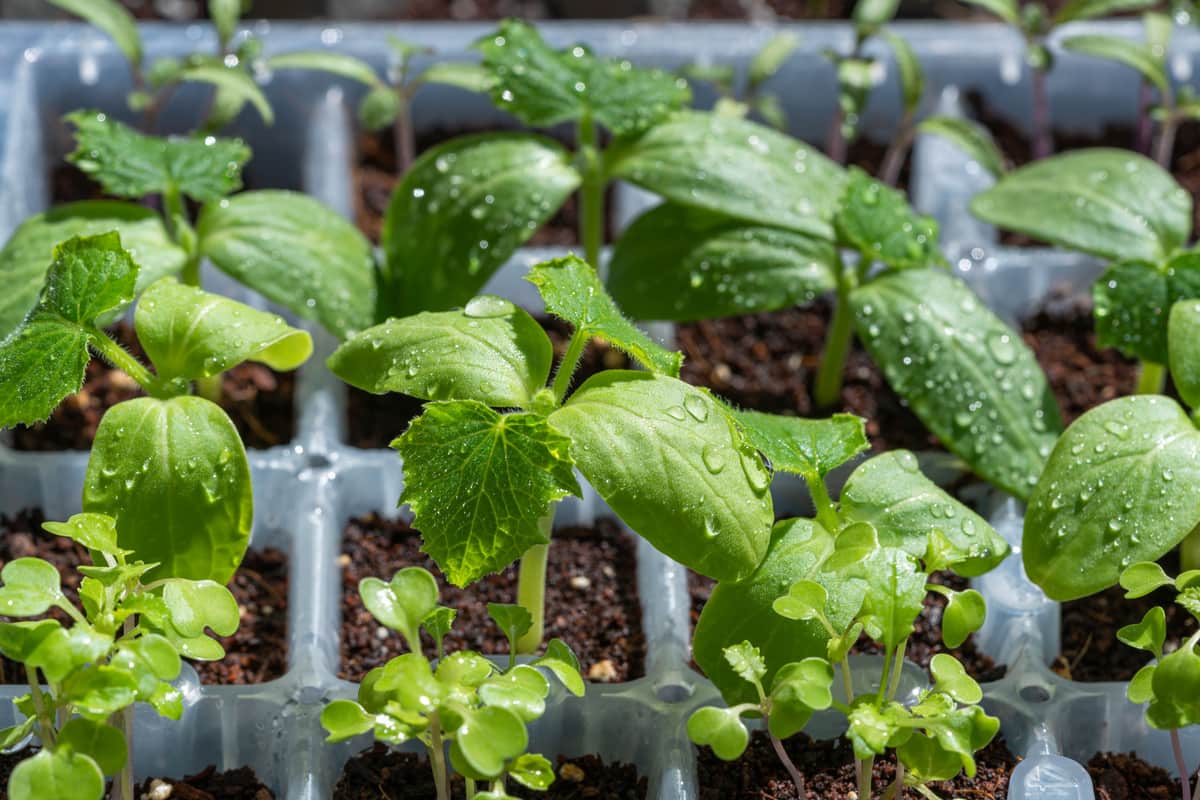
Guide
The 12 mol/m2/day seedling target, converted into the PPFD and hours you can actually set.
Top pick
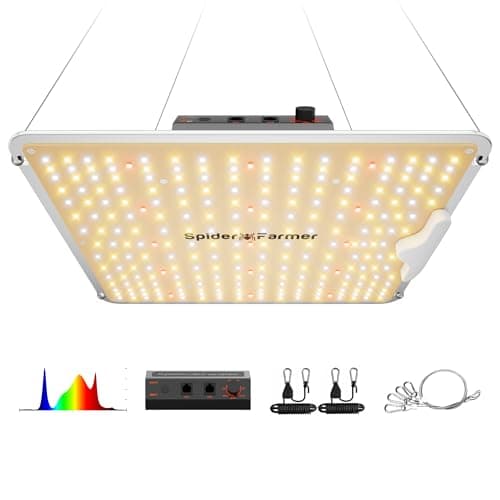
Spider Farmer SF1000
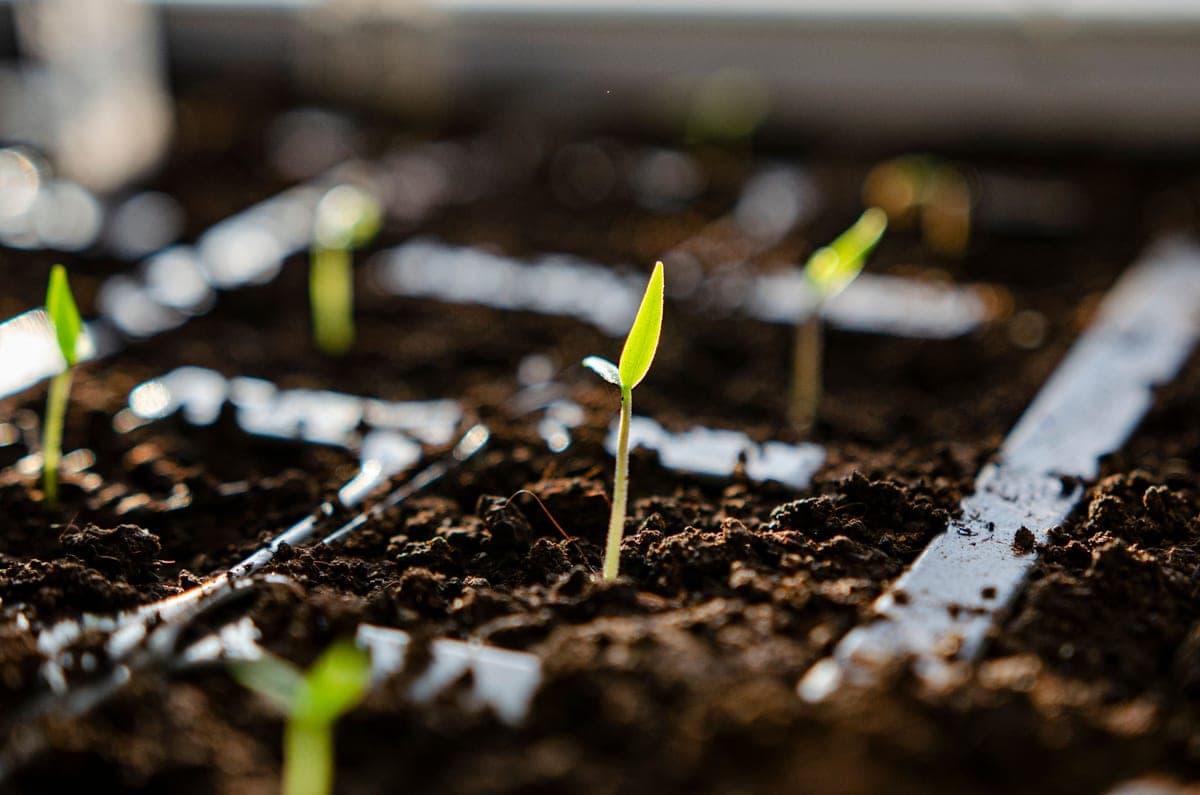
Guide
Germination mostly happens in the dark. What matters is having the light ready the hour the first shoot breaks the surface.
Top pick
Barrina T5 4ft Grow Light Strips
Comparison
LED wins on hours, cost and lifespan. The one remaining case for fluorescent, stated honestly.
Top pick
Barrina T5 4ft Grow Light Strips
Comparison
Shop lights grow fine seedlings. They just publish the wrong unit, so you cannot size one in advance.
Top pick
Barrina T5 4ft Grow Light Strips
Guide
The build: rack, fixtures, chains, timer — with the measurements that make it work and the mistakes that waste a season.
Top pick
Barrina T5 4ft Grow Light Strips
Guide
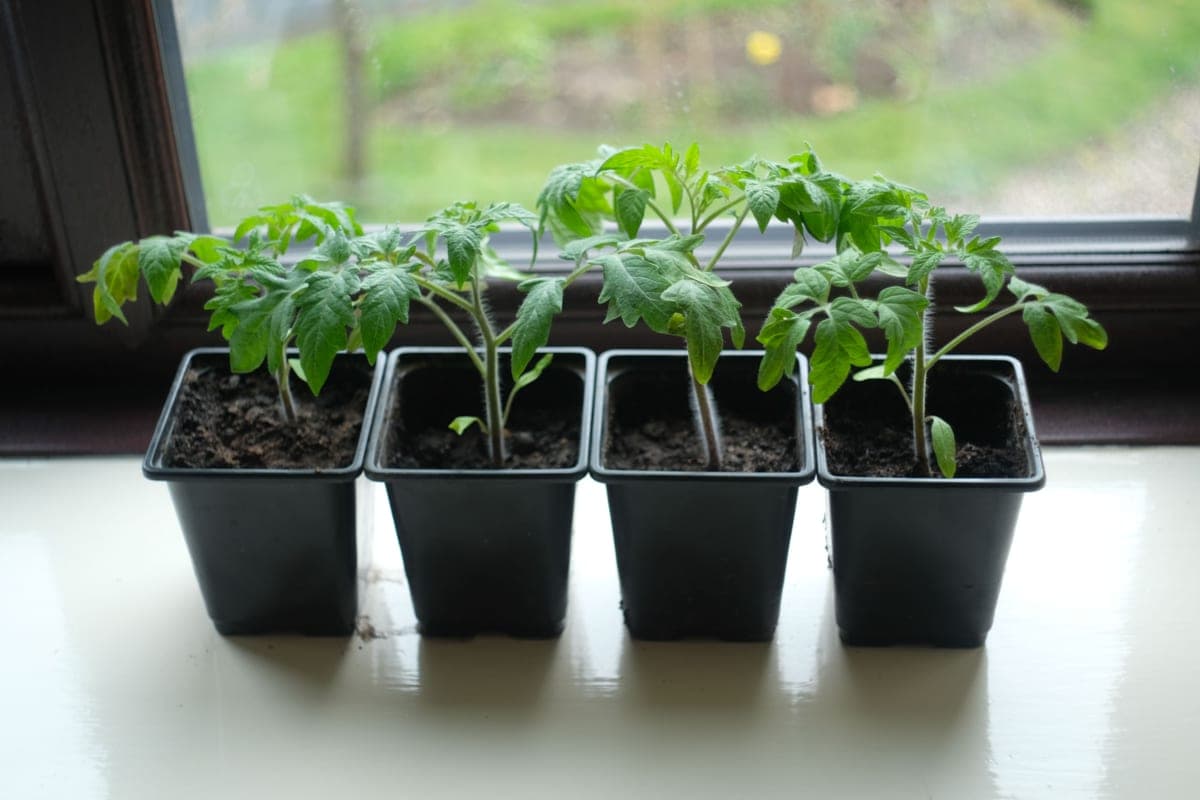
Tomato seedlings stretch faster than anything else on the shelf. The target, the hours, and what reaches them.
Top pick
Spider Farmer SF1000
Guide
One light target across every vegetable crop, and how succession timing decides your shelf layout.
Top pick
Barrina T5 4ft Grow Light Strips
Guide
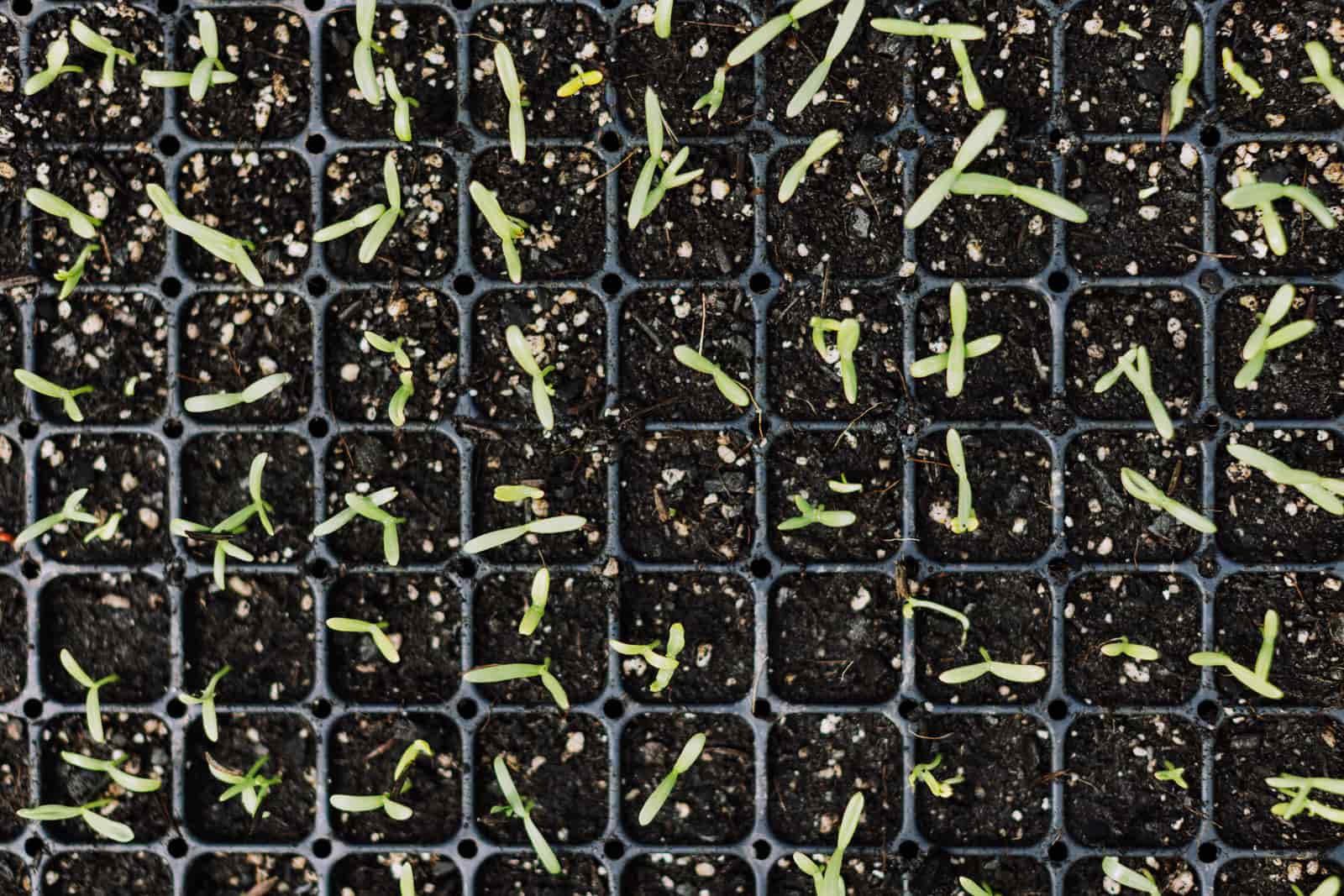
Sizing for the longest occupant of a seed shelf, and why peppers hide a light deficit until it is too late.
Top pick
Barrina T5 4ft Grow Light Strips
Guide
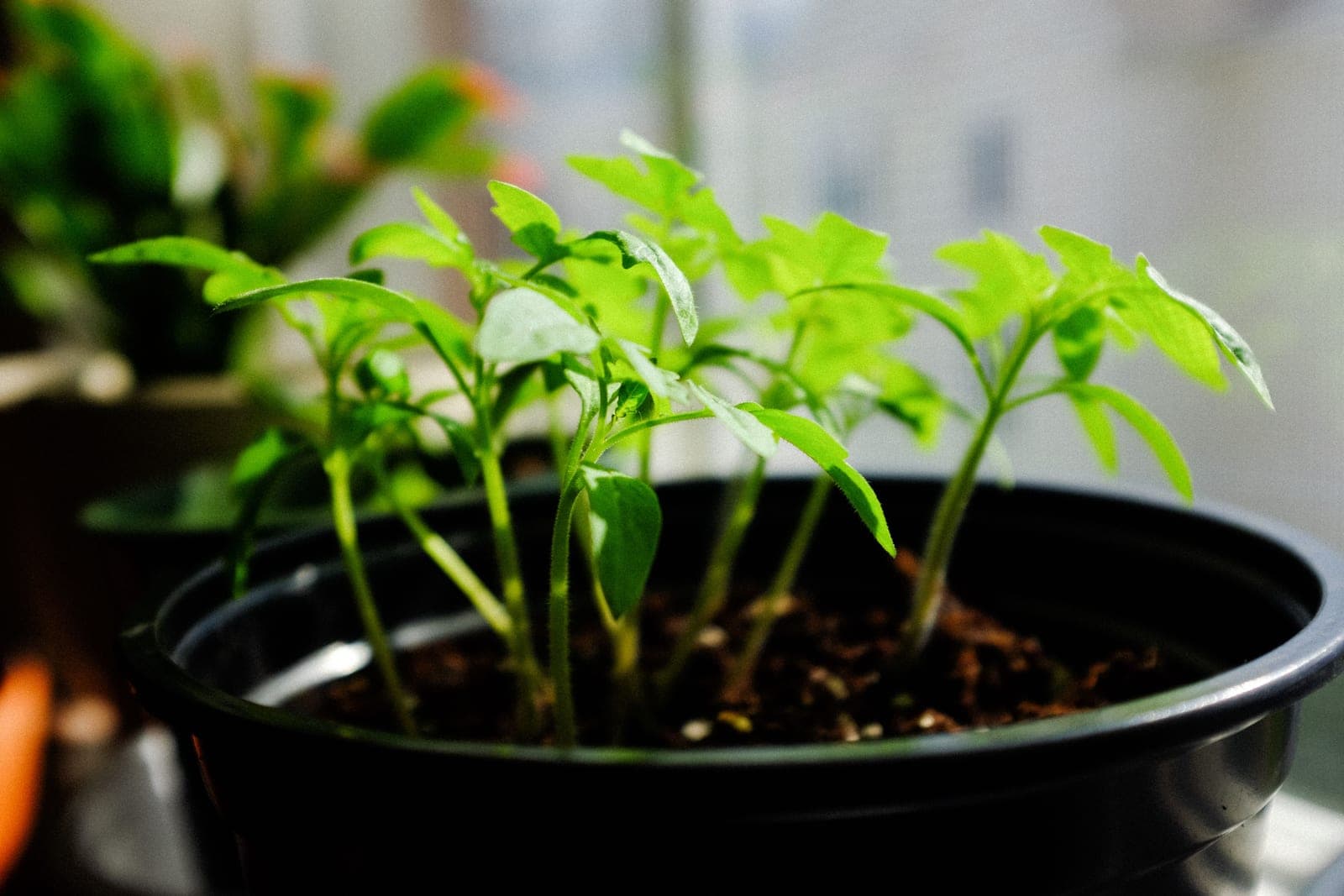
The cause of leggy seedlings in numbers, what is and is not salvageable, and the setup that prevents it.
Top pick
Barrina T5 4ft Grow Light Strips
Guide
Cuttings want 4-5 mol/m2/day at first, rising to 8-12 once rooted. The staged plan and the fixtures for it.
Top pick
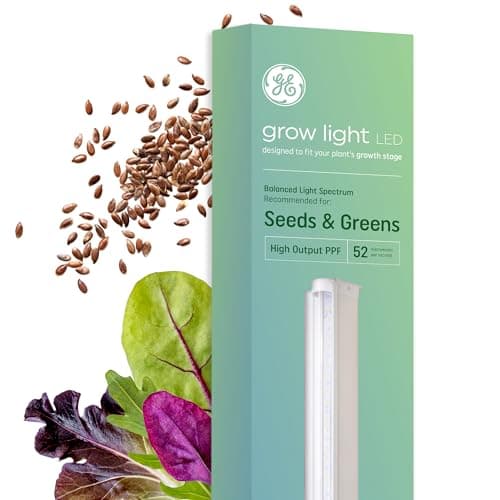
GE Grow Light 48in LED Fixture, Seeds and Greens