Roundup
The Best Grow Lights for Indoor Plants
Sized to a 3-10 mol/m2/day houseplant target rather than a grow-tent target, with running cost for each.
Top pick
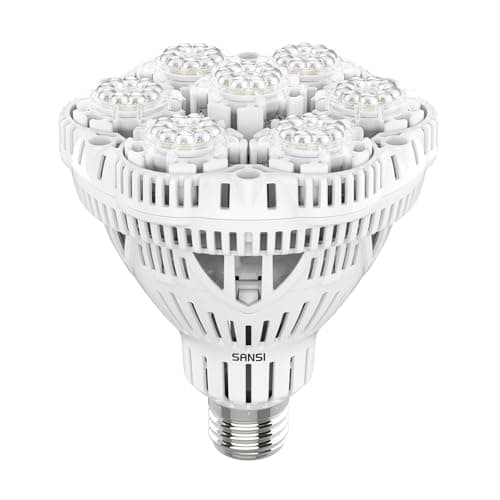
SANSI 36W BR30 Grow Light Bulb
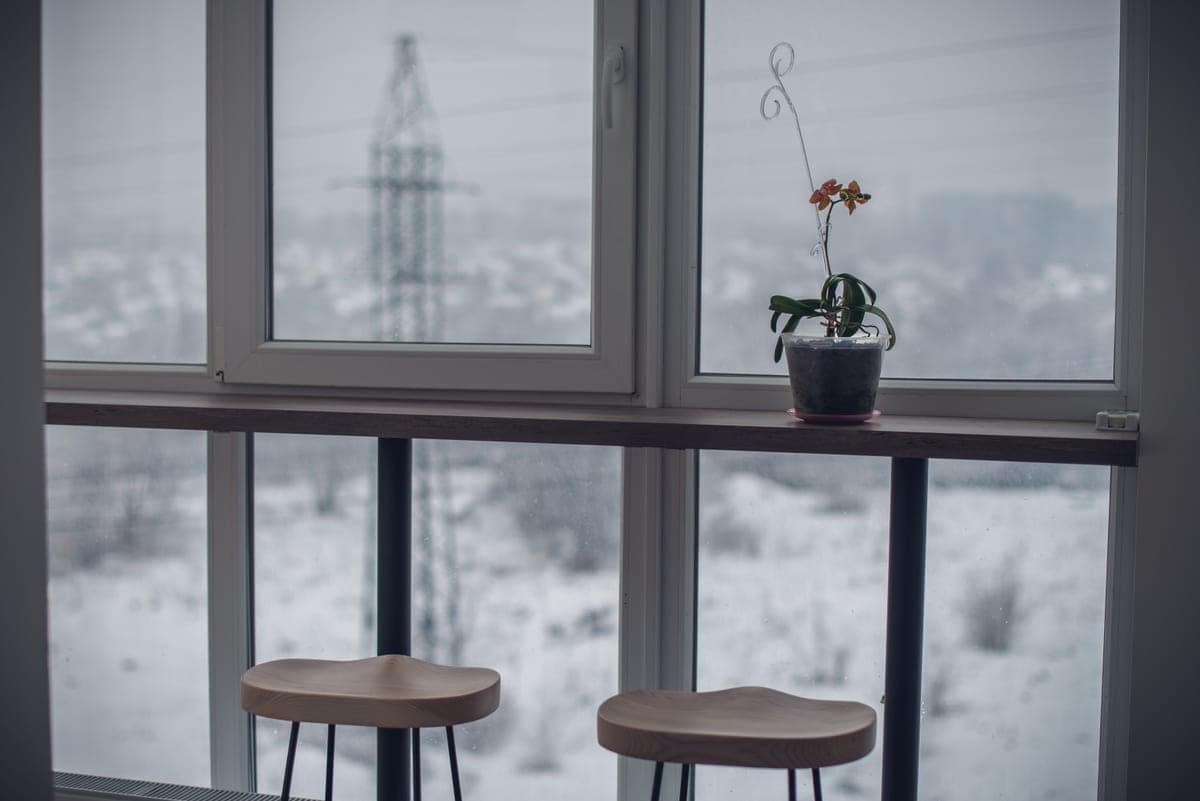
A north window in January delivers a fraction of what it delivers in June. This is how much light your plants are actually short by, and what closes the gap.
The houseplant lighting problem is seasonal, and it is a problem of arithmetic rather than of taste. A window that keeps a monstera happy in June delivers a fraction of that in January — shorter days, lower sun angle, and gray skies compounding. The plant does not die; it stops. Then in March it produces one small pale leaf and everyone blames the watering.
The useful frame is the daily light integral: how many moles of usable light a plant receives over a whole day. Iowa State University Extension puts low-light foliage houseplants at 3 to 6 mol/m²/day, foliage and flowering houseplants at 6 to 10, and flowering houseplants, succulents and leafy herbs at 12 to 16. Those numbers are small compared with a seed tray, and much smaller than the grow-tent guides most search results return.
| Fixture | Suits | The catch |
|---|---|---|
| Clip light (about 10 W) | One small plant on a desk or shelf | Weak. Fine at 6 inches, negligible at 18. Nobody publishes photon data for these. |
| Grow bulb in an existing lamp | One medium plant, no new hardware | Less efficient than a board — the SANSI BR30 works out at 1.82 µmol/J against 2.7 for a good panel. |
| Pendant fixture | A large statement plant in a living room | You are paying for industrial design. The Soltech Aspect Gen 2 computes to 1.39 µmol/J — the least efficient thing we have specs for. |
| LED bar under a shelf | A row or shelf of plants | Looks like a workshop. Excellent value per plant. |
| LED panel | A dense group, or a plant wall | Far more output than most houseplants want. Buy one with a dimmer. |
In this category, appearance. A pendant that looks like a light fitting costs several times what an equivalent-output bar costs, and it is usually less efficient, because the design constraints fight the thermal ones. That is a legitimate thing to buy — a fixture in a living room has to be looked at every day — but it should be a deliberate purchase rather than an assumption that the expensive one performs better. On photons per watt, it does not.
Buying grow-tent equipment for a houseplant. A 150 W panel over one monstera delivers several times what the plant can use, costs real money every month, and turns a corner of the living room into something that looks like a facility. Most houseplants need 3 to 10 mol/m²/day, which a modest fixture at a sensible distance supplies easily.
Target 5 mol/m²/day over a 2 × 2 ft area (0.372 m²) at 12 hours a day.
Rearranging DLI = PPFD × h × 3600 ÷ 1,000,000: PPFD = 5 × 1,000,000 ÷ (12 × 3600) = 116 µmol/m²/s.
116 µmol/m²/s × 0.372 m² = 43 µmol/s landing on the plants. Even allowing for uniformity losses, that is inside what a single grow bulb produces — the SANSI BR30 publishes 65.6 µmol/s.
Start with how much light houseplants need in winter, then size a specific fixture with the coverage calculator.
Each of these names a top pick and links straight out to it. Prices come from the live price layer, which is why they read “check price” rather than showing a figure we cannot verify at the moment you load the page.
Roundup
Sized to a 3-10 mol/m2/day houseplant target rather than a grow-tent target, with running cost for each.
Top pick
SANSI 36W BR30 Grow Light Bulb
Roundup
Winter is a daily-total problem. Modest fixture, long photoperiod — sized against published targets and costed for the season.
Top pick
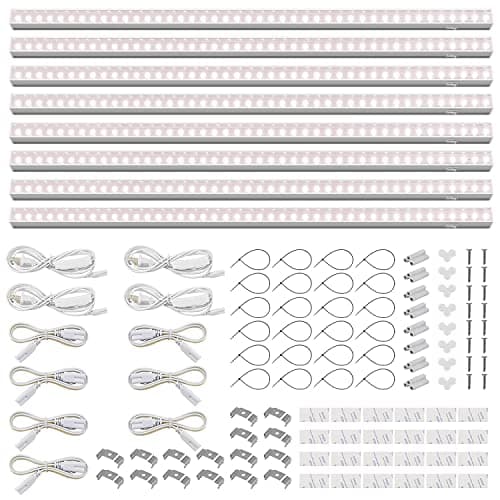
Barrina T5 4ft Grow Light Strips
Roundup
Height, not brightness, is the constraint on a big plant. Published PPFD-at-distance figures are what decide it.
Top pick
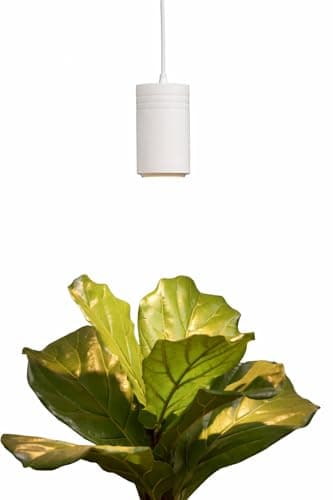
Soltech Aspect Gen 2
Roundup
Active versus dormant overwintering, which plants want light and which do not, and the fixtures for the ones that do.
Top pick
Barrina T5 4ft Grow Light Strips
Comparison
Form factor decides more than brand. Which shape suits which setup, and where each stops working.
Top pick
Barrina T5 4ft Grow Light Strips
Guide
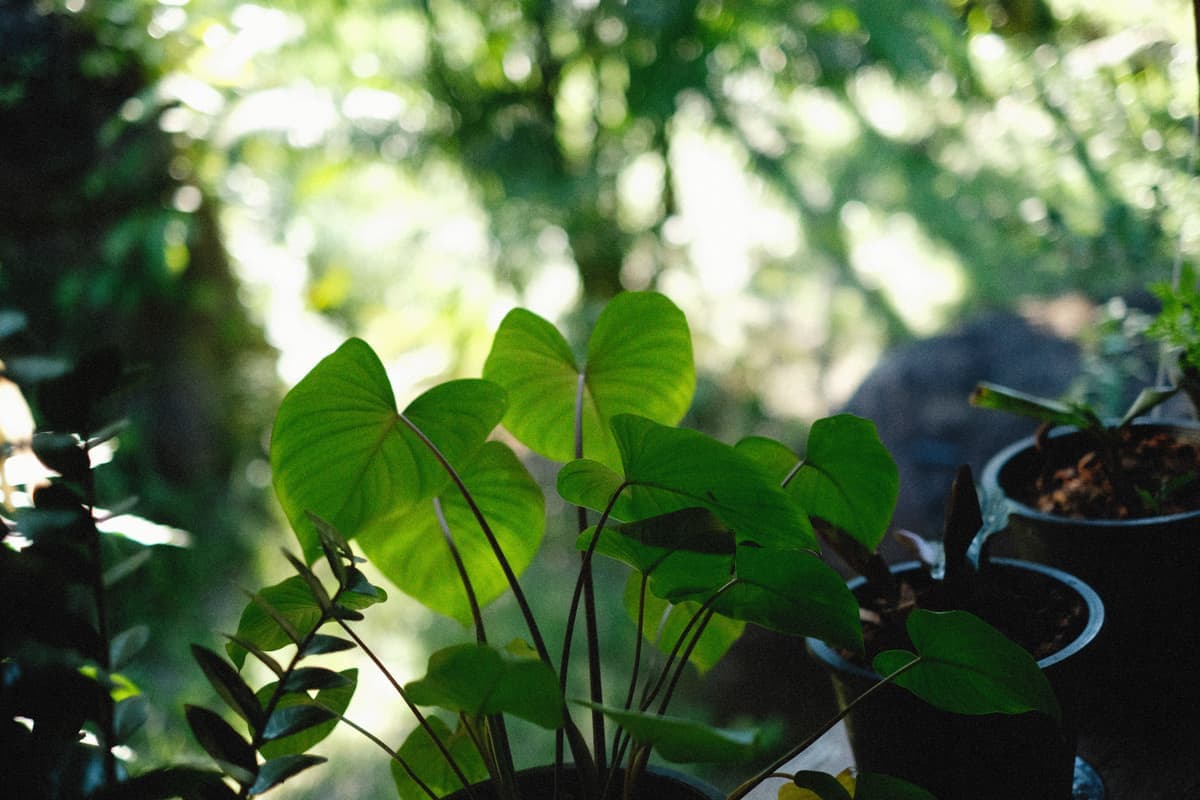
Published DLI bands by plant type, and how to work out what your winter window is short by.
Top pick
SANSI 36W BR30 Grow Light Bulb
Guide
Why the winter deficit compounds, and how to size the supplement that closes it.
Top pick
Barrina T5 4ft Grow Light Strips
Guide
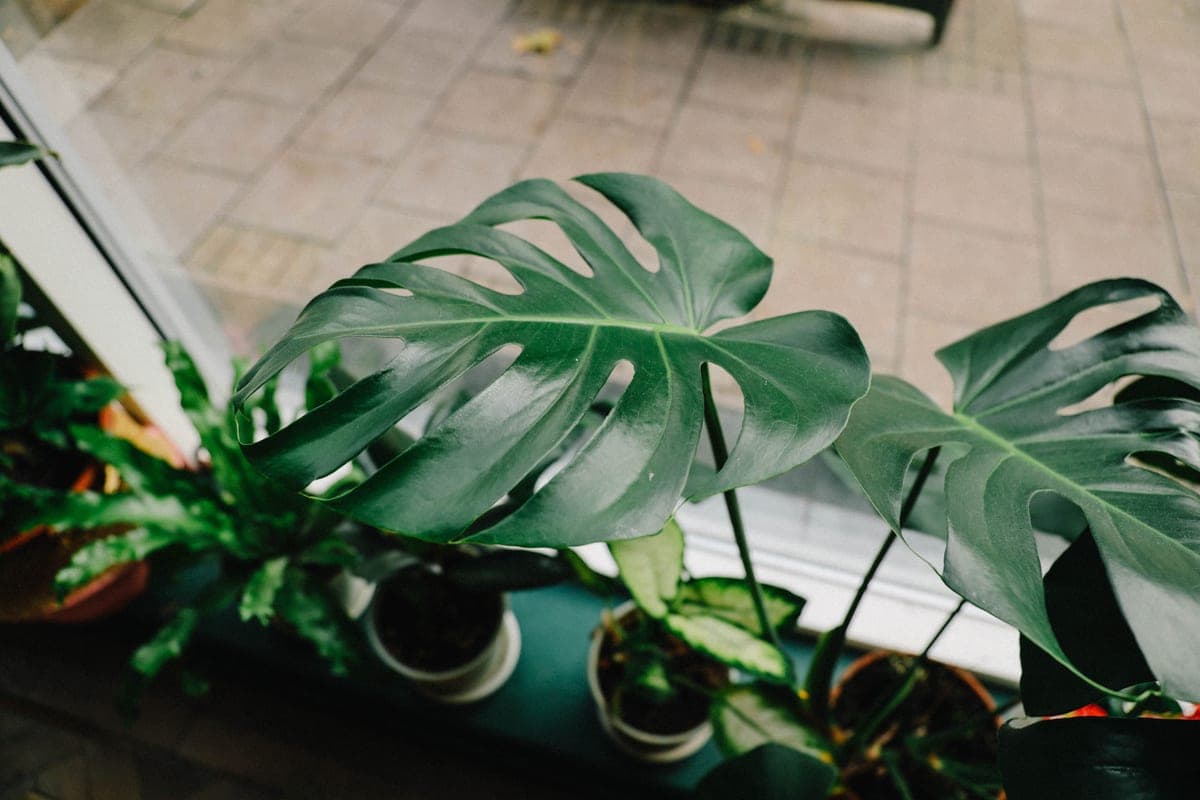
The 6-10 mol/m2/day target for monstera, what it means for fixture size, and the truth about fenestration.
Top pick
SANSI 36W BR30 Grow Light Bulb
Guide
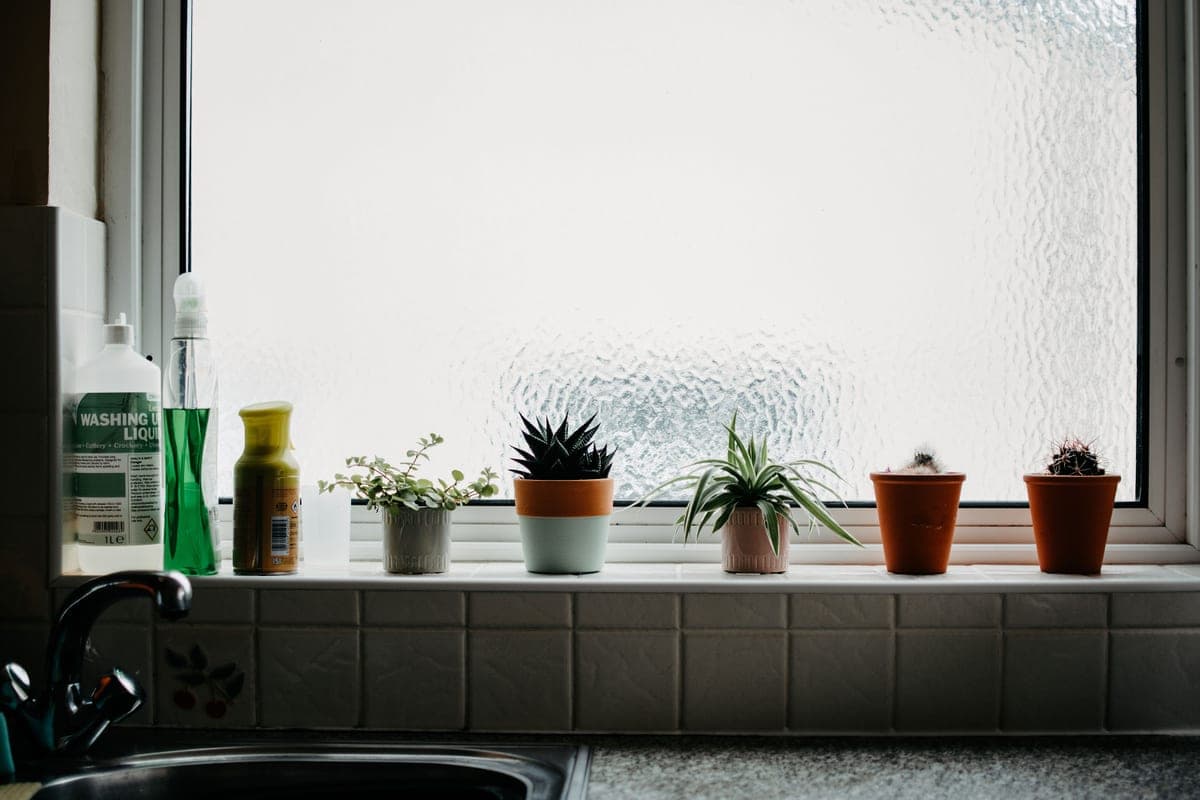
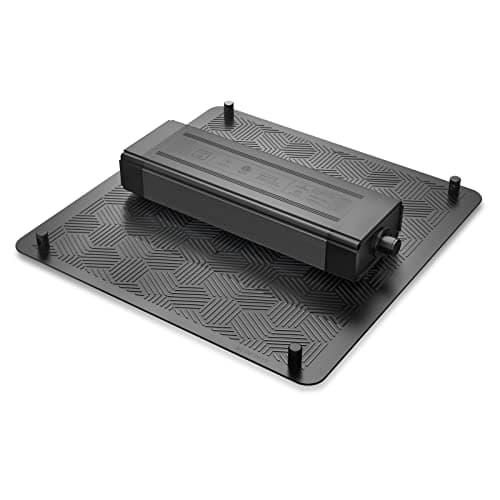
Succulents are high-light plants at 12-16 mol/m2/day. The target, the stretch, and what reaches it.
Top pick
AC Infinity IONBOARD S22
Guide
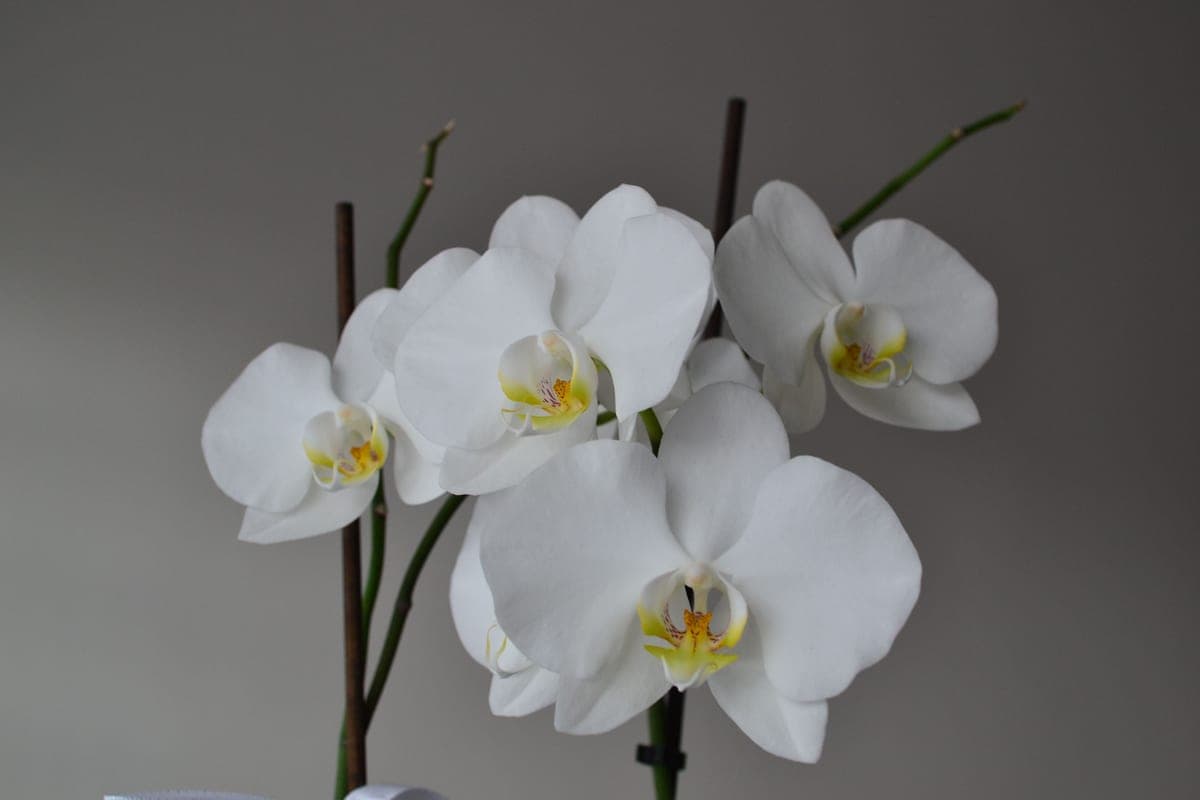
Targets by orchid type, why phalaenopsis burn easily, and what actually triggers a rebloom.
Top pick
SANSI 36W BR30 Grow Light Bulb
Guide
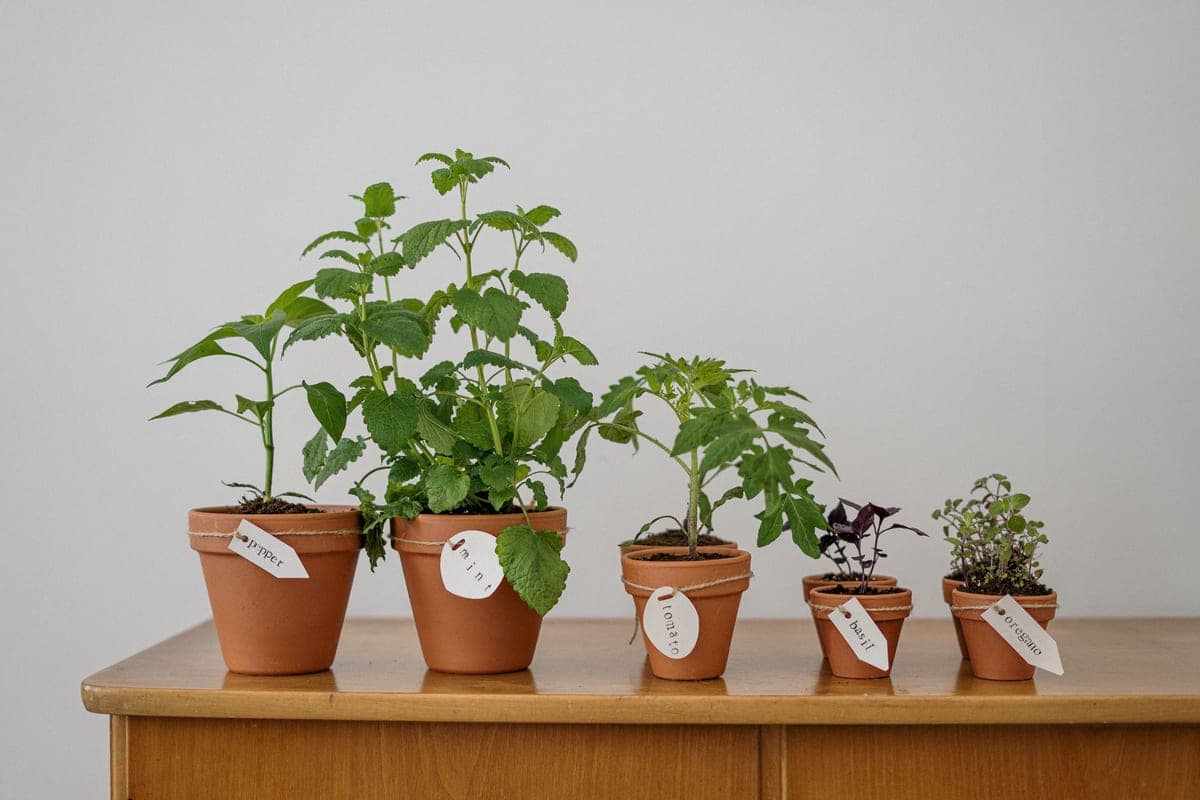
Culinary herbs want 9-20 mol/m2/day. Why kitchen herbs fail, and what actually reaches the target.
Top pick
Barrina T5 4ft Grow Light Strips
Guide
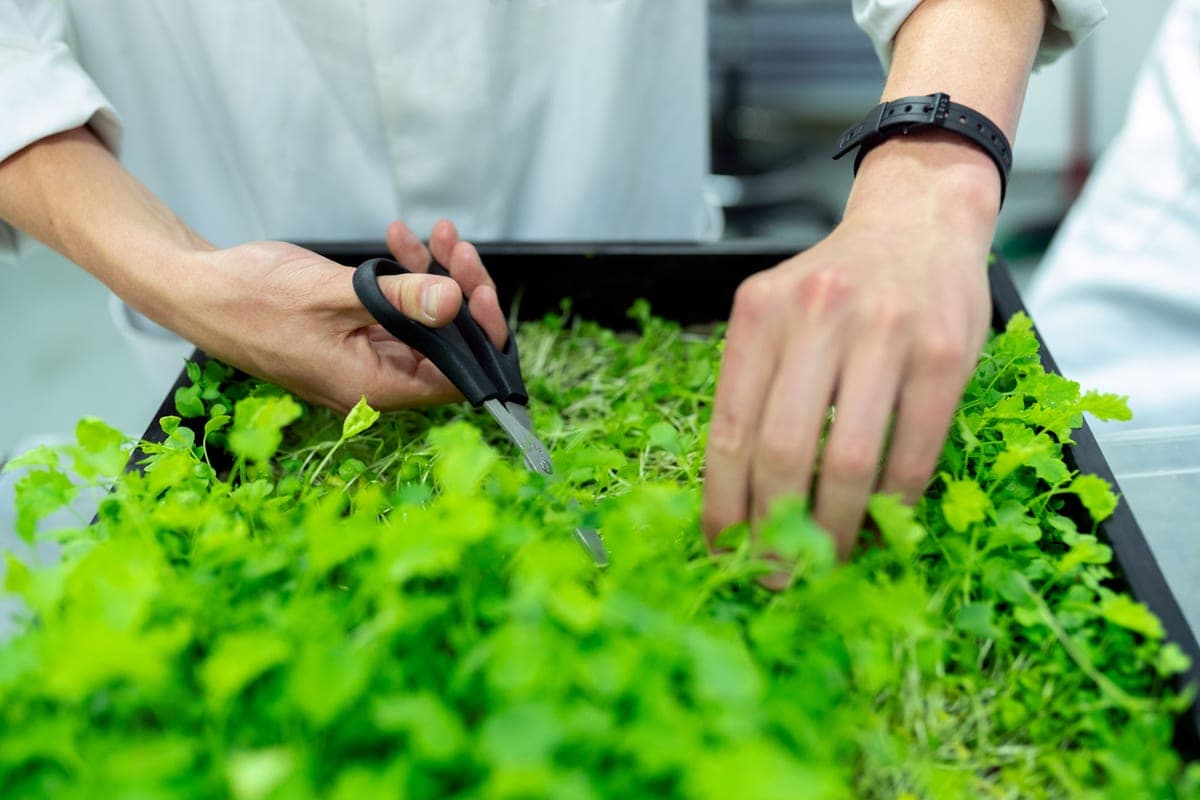
Harvested at seedling stage, so a modest fixture really is enough. Target, timeline and running cost.
Top pick
Barrina T5 4ft Grow Light Strips
Guide
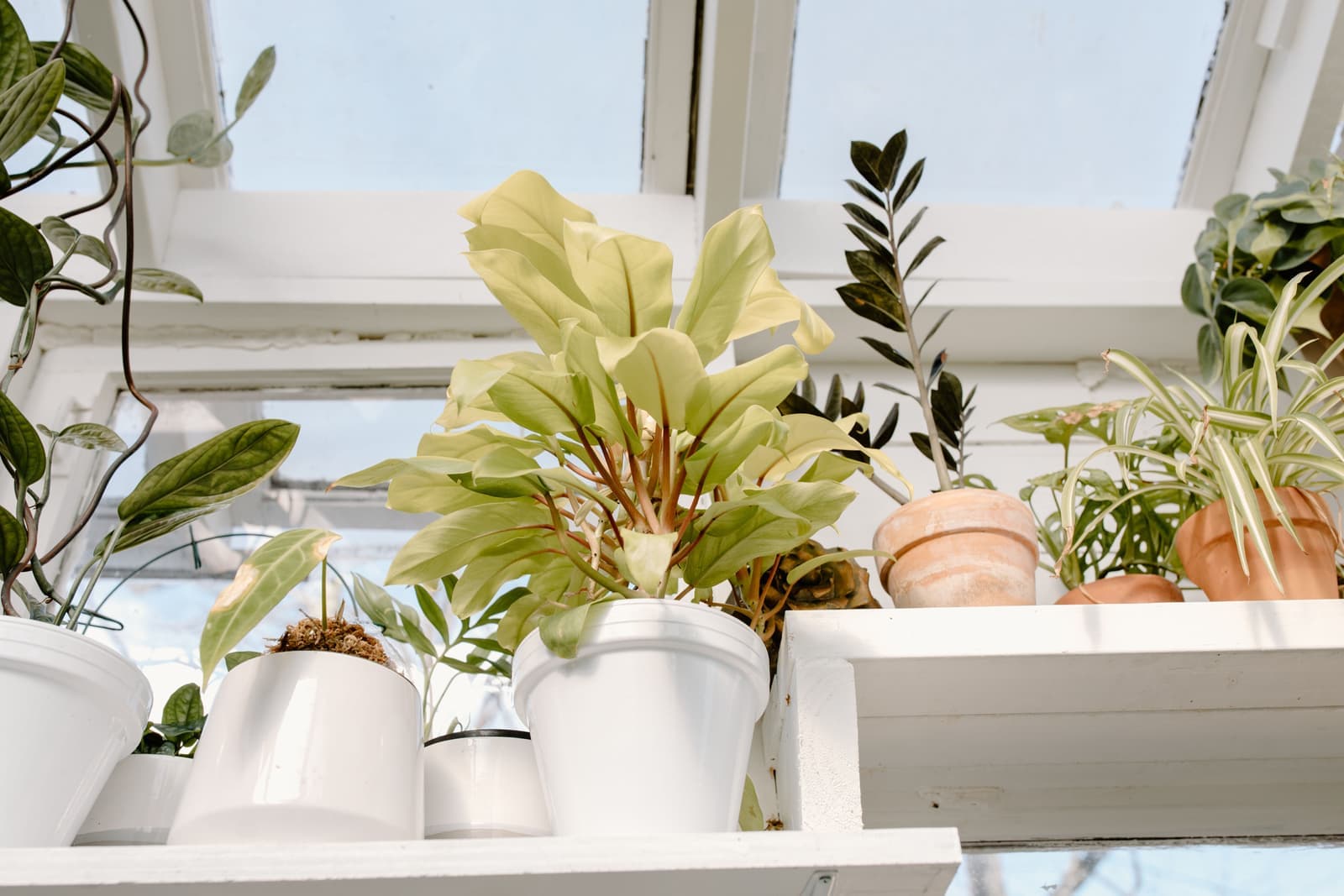
The low-light band, the exact lamp height that hits it, and why tolerating is not the same as thriving.
Top pick
SANSI 36W BR30 Grow Light Bulb
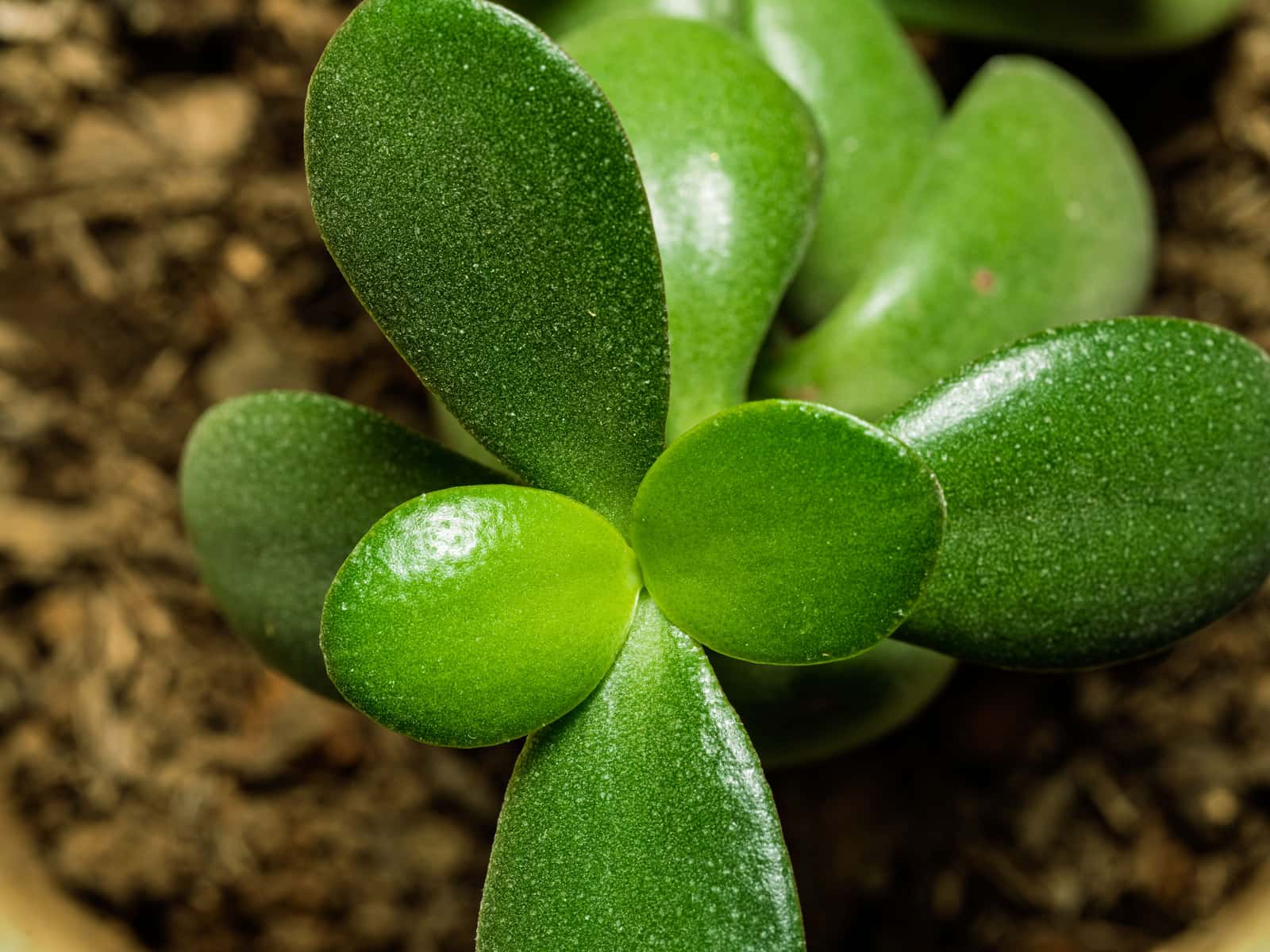
Guide
The high-light band jade wants, the distance that delivers it, and how to acclimate a stretched plant.
Top pick
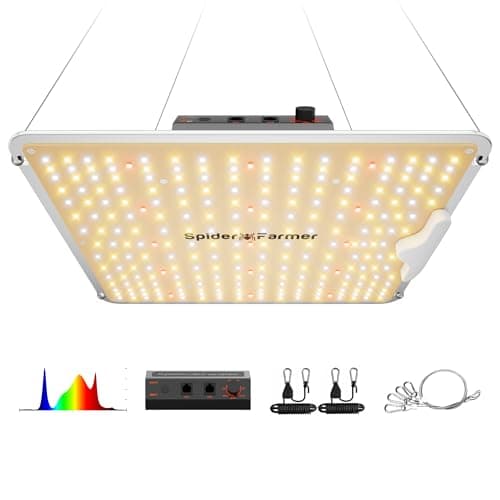
Spider Farmer SF1000
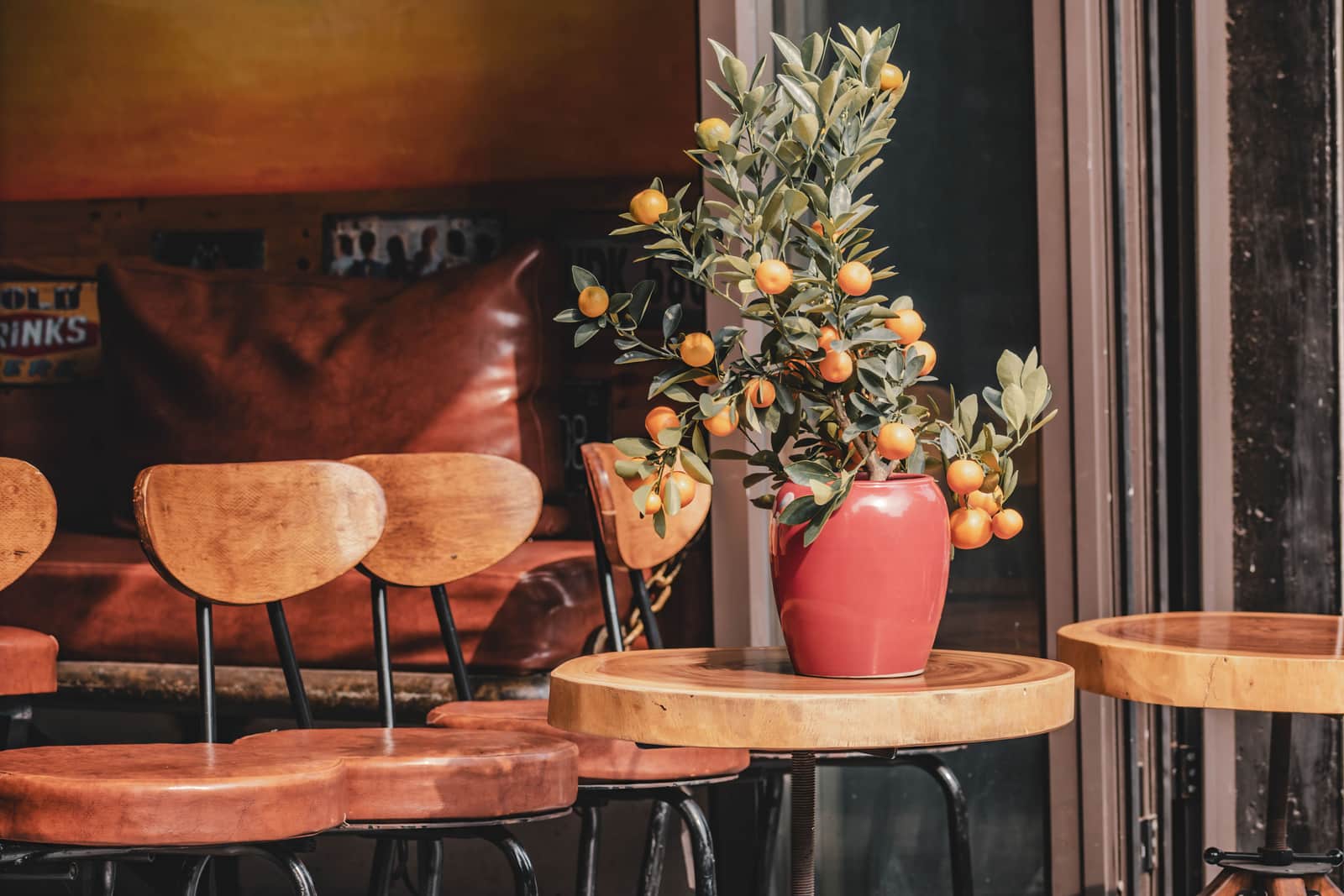
Guide
What indoor citrus actually demands, what one fixture delivers, and the honest shortfall.
Top pick
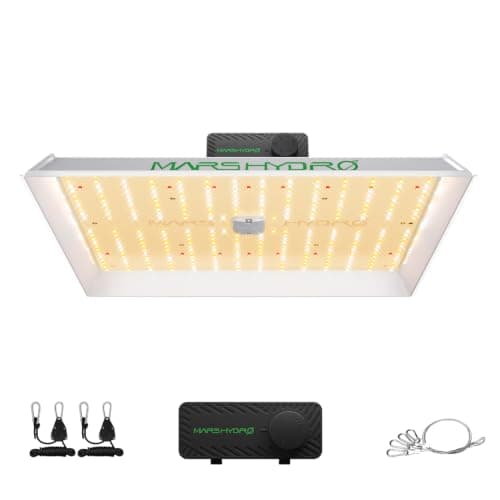
Mars Hydro TS 1000
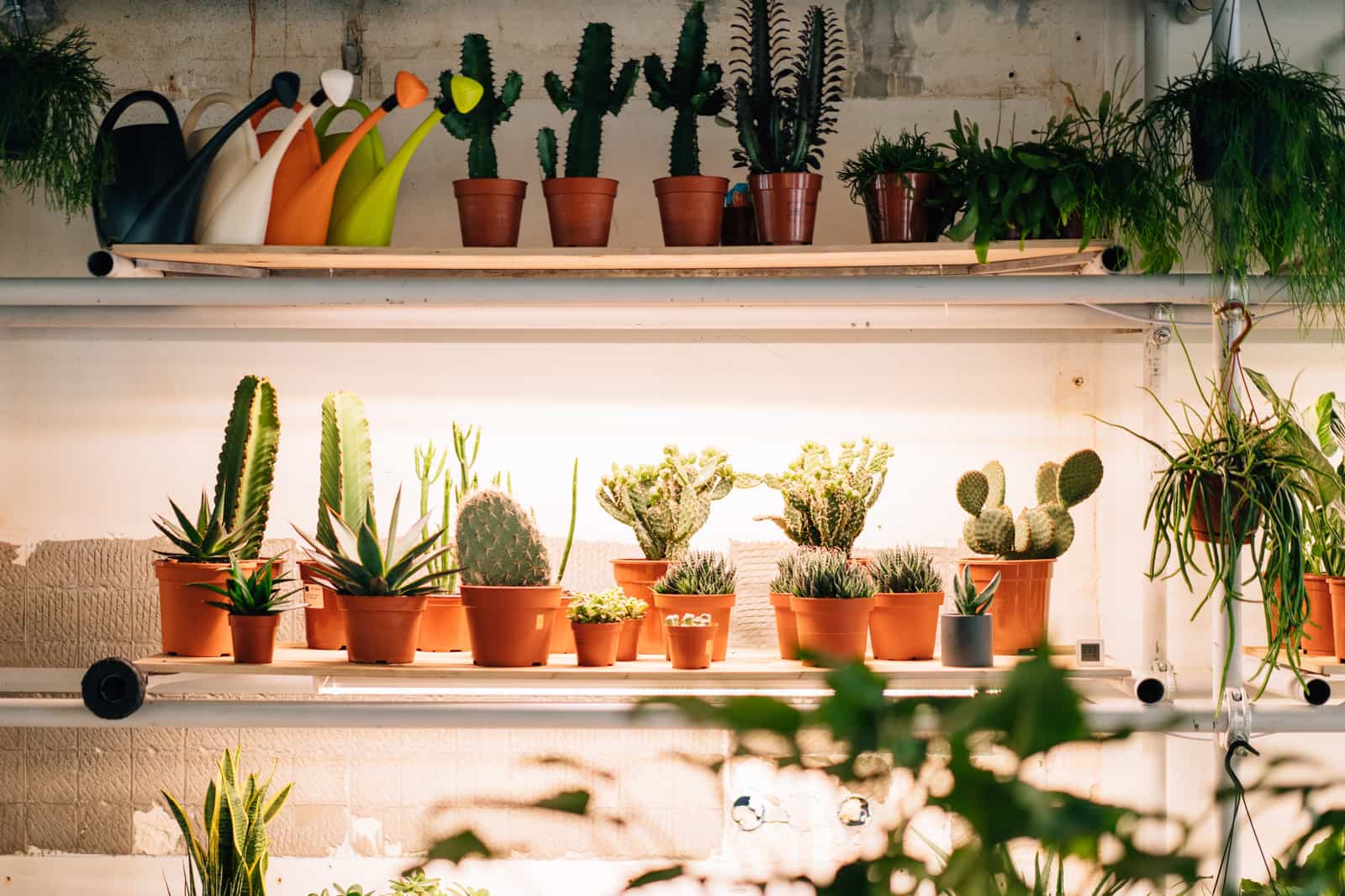
Guide
Plants ranked by how much a fixture actually changes the outcome, not by their light band.
Top pick
Barrina T5 4ft Grow Light Strips
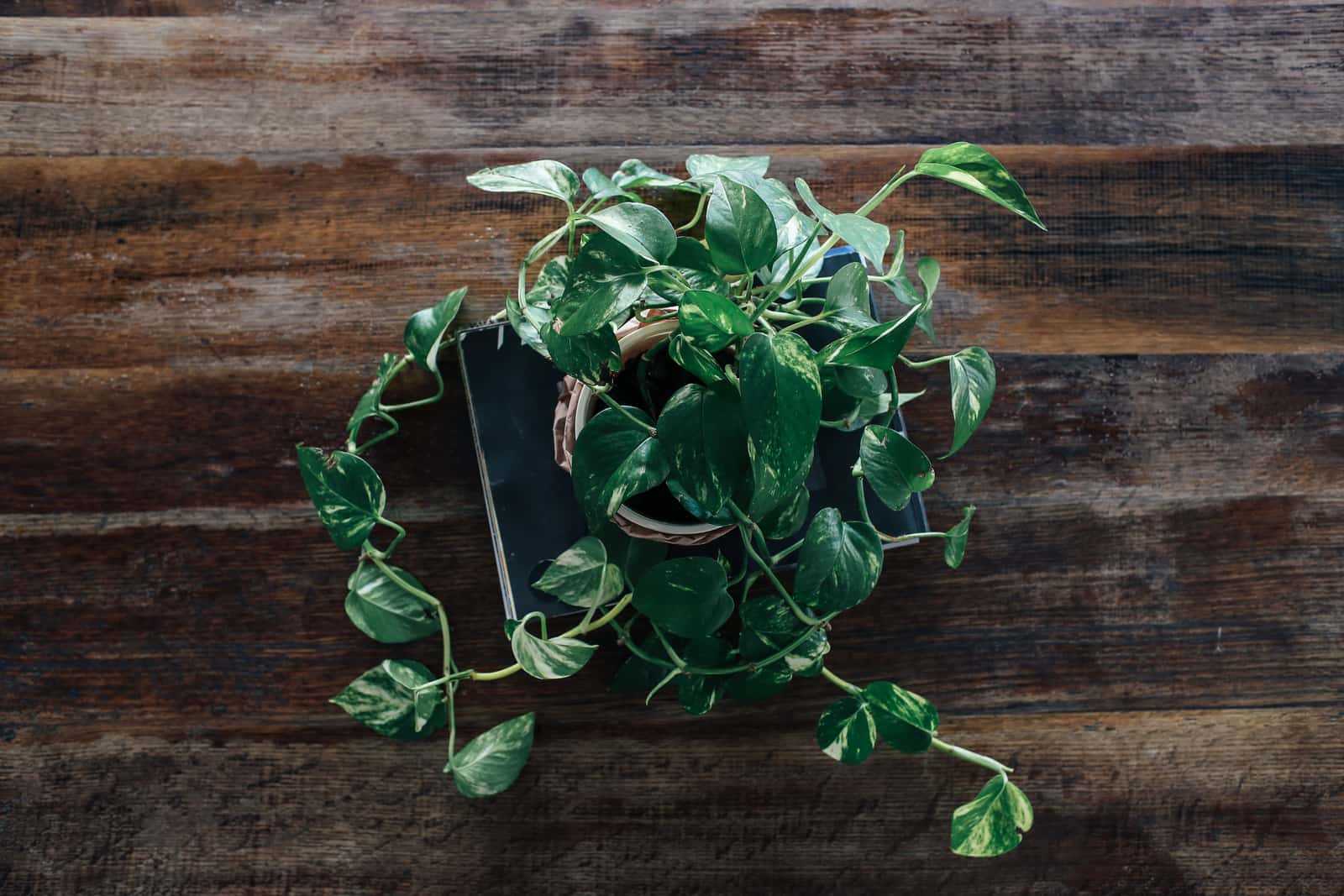
Guide
When a pothos needs a fixture, the lamp distance that hits the low band, and the variegation exception.
Top pick
SANSI 36W BR30 Grow Light Bulb
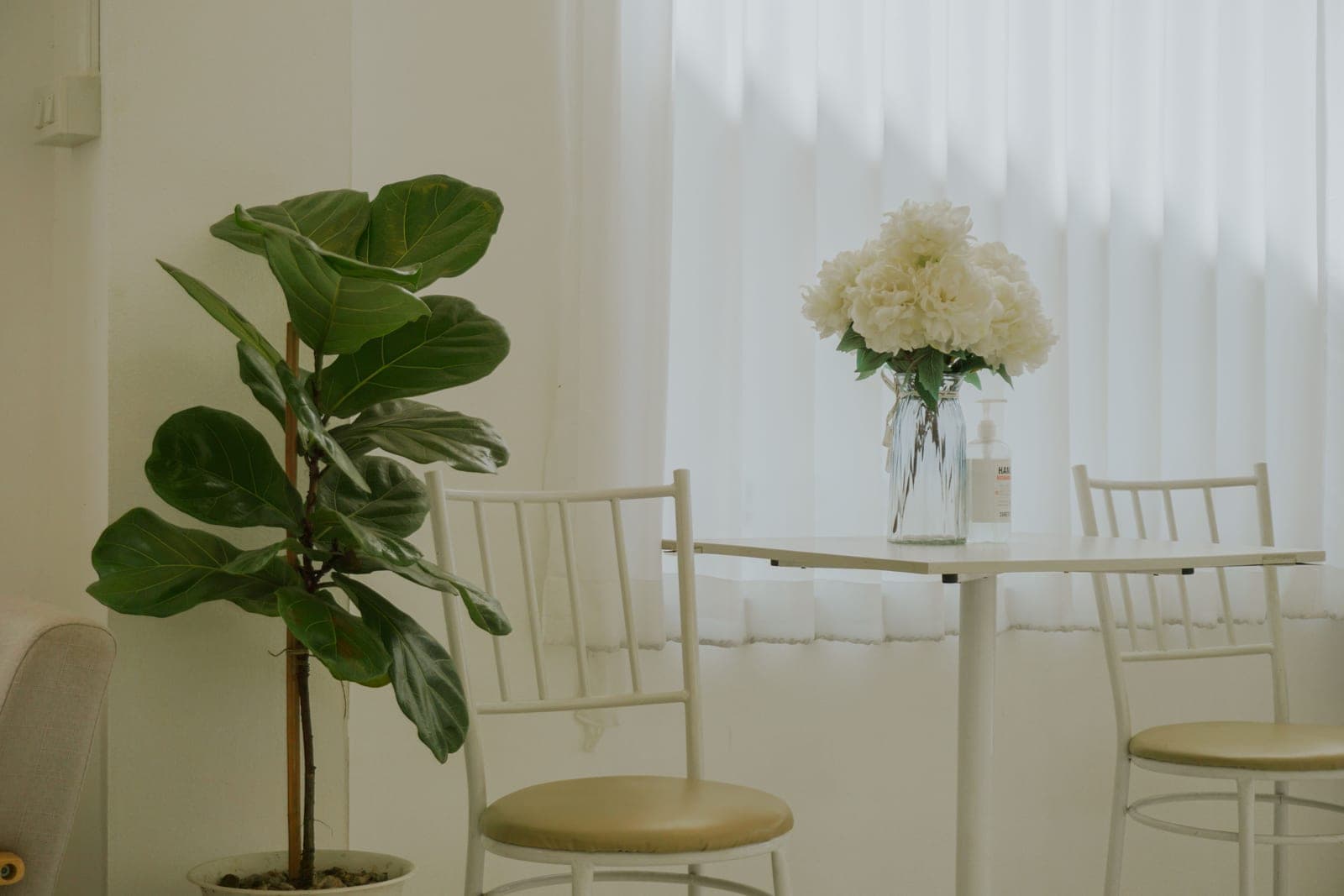
Guide
Sizing a fixture for a tall canopy, why winter leaf drop is a light problem, and honest placement.
Top pick
Mars Hydro TS 1000
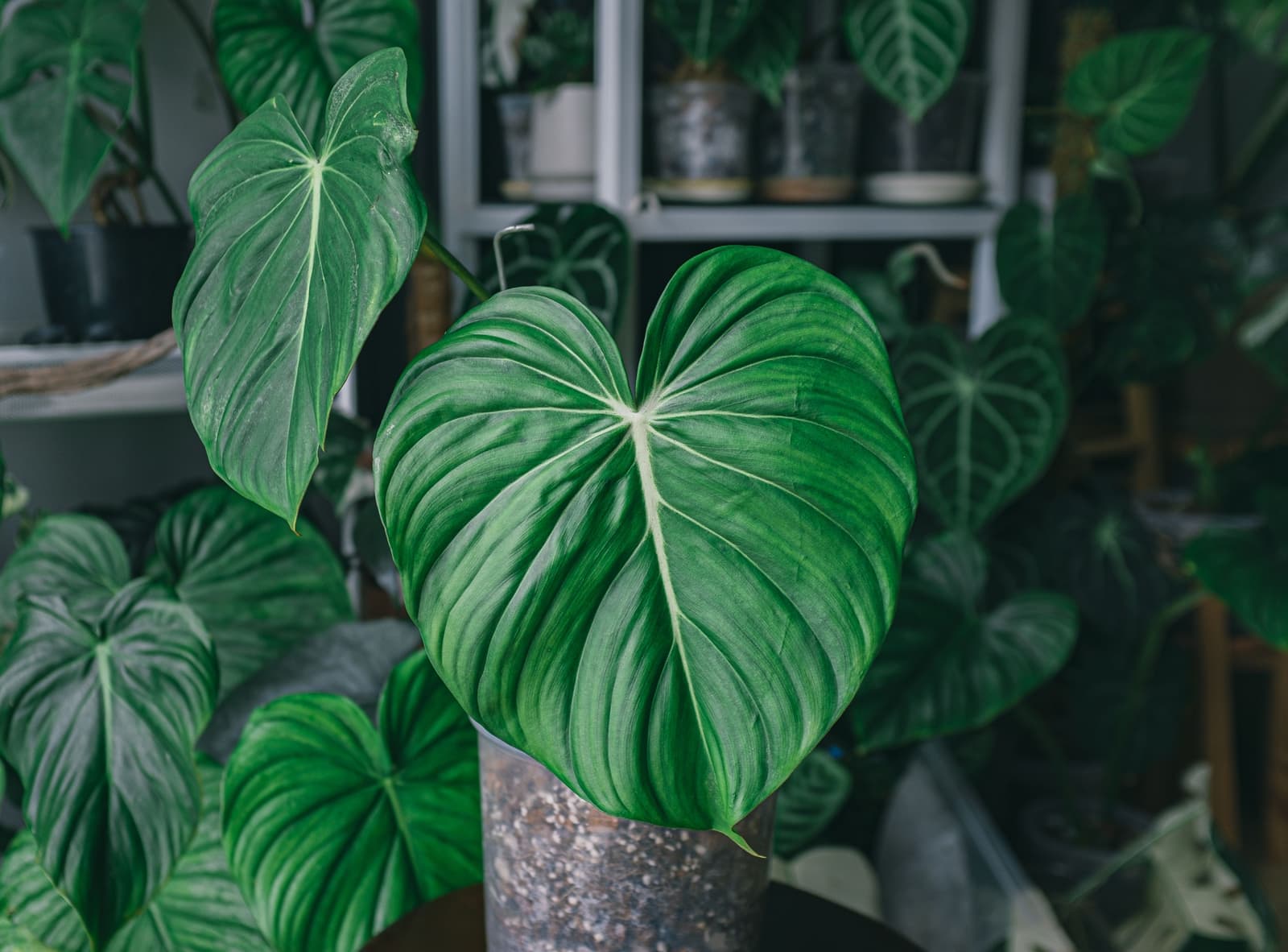
Guide
Why plain and variegated philodendrons need different light, with placement for each.
Top pick
AC Infinity IONBOARD S22
Guide
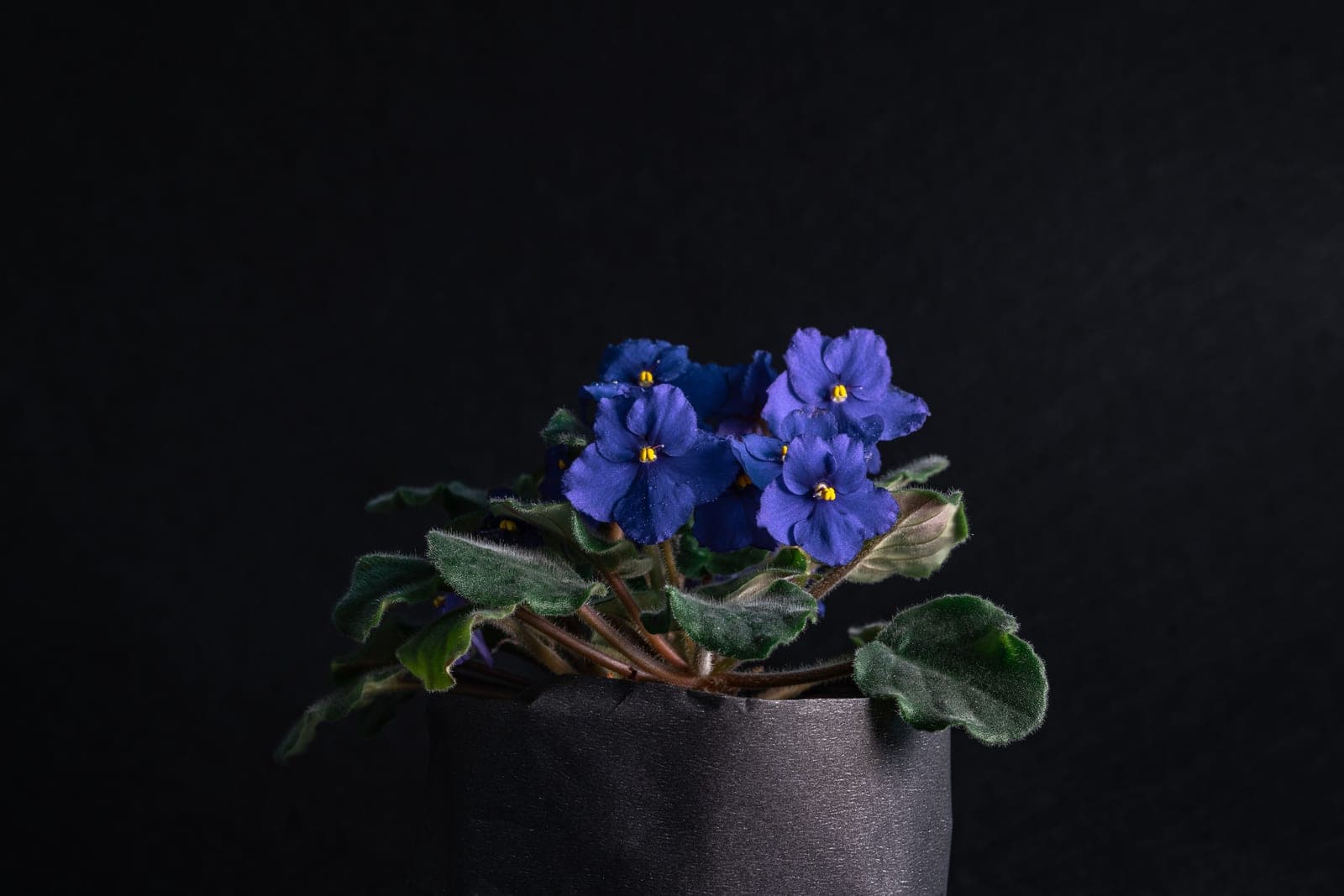
The medium-band target for violets, why a collection wants linear fixtures, and honest placement.
Top pick
Barrina T5 4ft Grow Light Strips
Guide
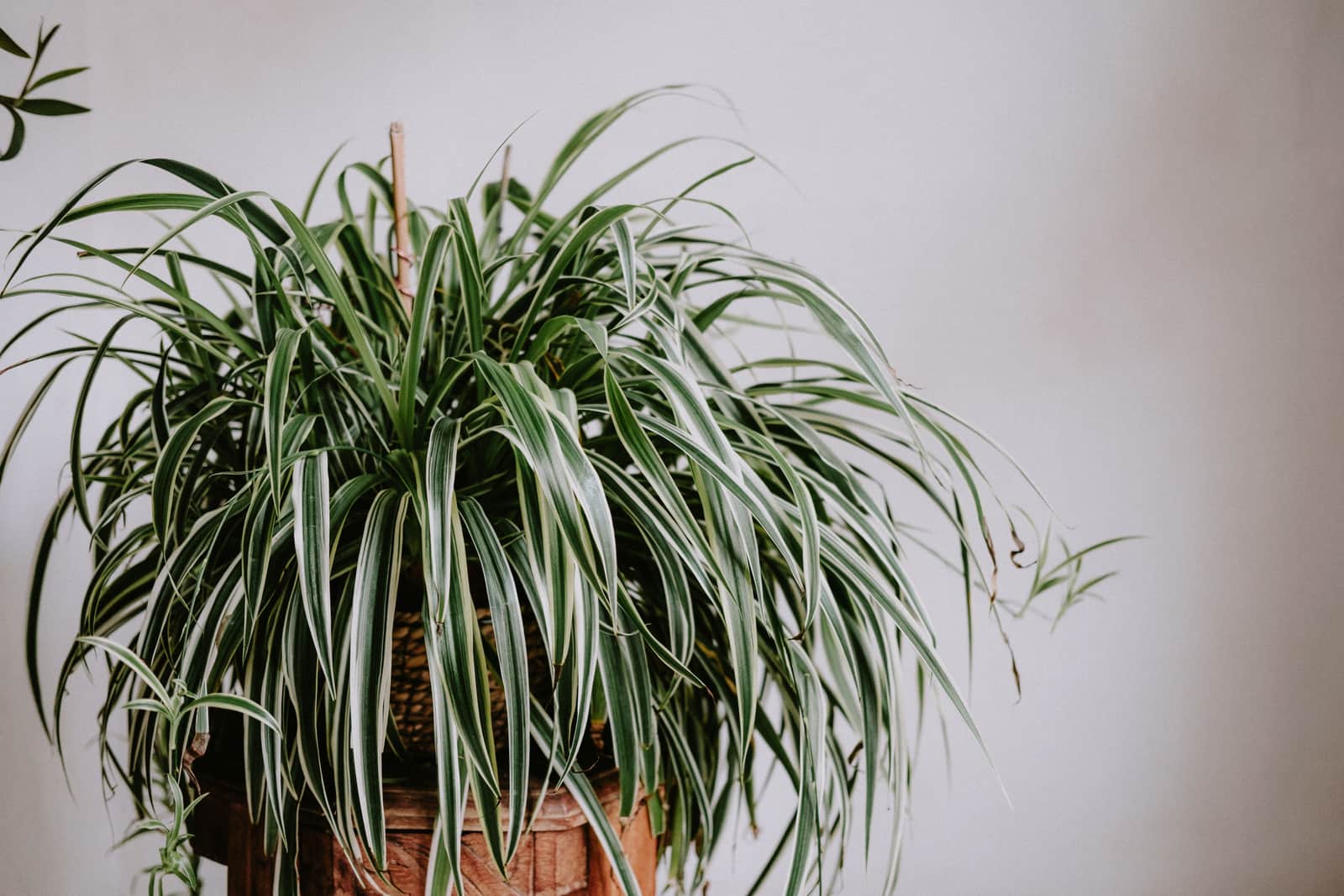
The band spider plants want, the hanging-basket distance, and why brown tips are not a light problem.
Top pick
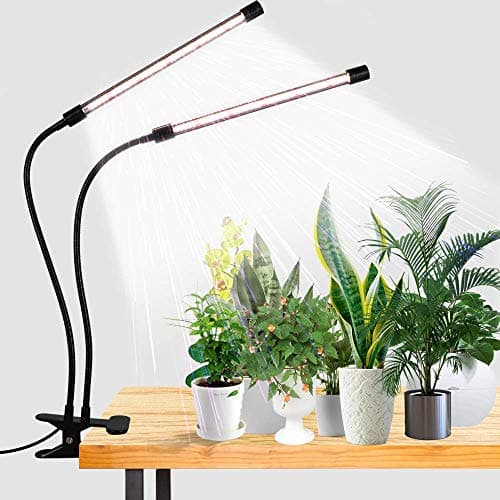
GooingTop Clip Grow Light
Guide
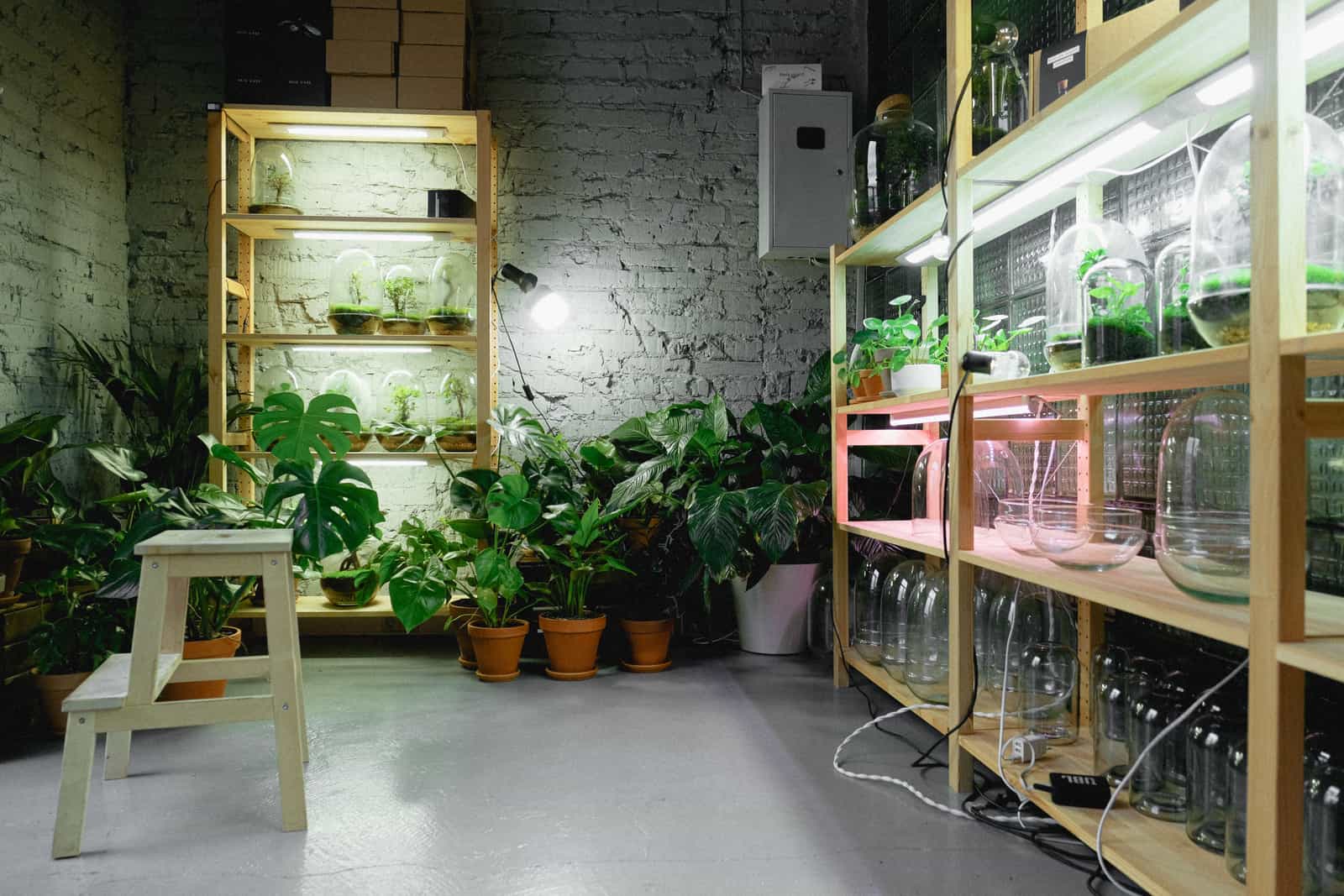
Indoor bonsai sit in the 6-10 mol/m2/day band. The target, the distance, and why junipers indoors fail anyway.
Top pick
SANSI 36W BR30 Grow Light Bulb
Guide
Full-sun bog plants. Why most houseplant lights fall short, and the three fixtures that do not.
Top pick
Mars Hydro TS 1000
Guide
The top of the 6-10 mol/m2/day band, without direct exposure. Target, distance and three fixtures.
Top pick
SANSI 36W BR30 Grow Light Bulb
Guide
A 3-6 mol/m2/day low-band plant. Why the small bulb wins, and why crispy edges are not a light problem.
Top pick
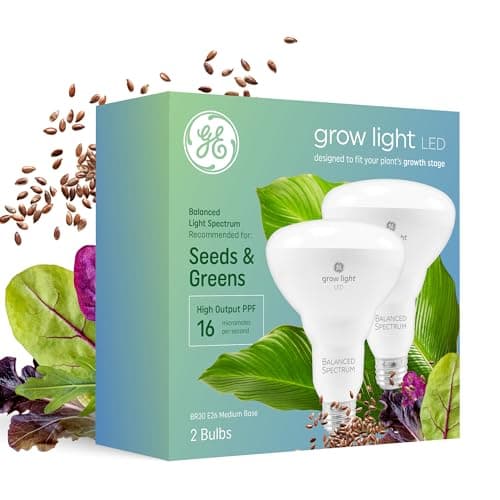
GE Grow Light BR30 Bulb, Seeds and Greens (2-pack)
Guide
Survives at 3-6 mol/m2/day, flowers at 6-10. The distance that separates them, and why a light is not a bloom switch.
Top pick
SANSI 36W BR30 Grow Light Bulb
Guide
Nearly full sun is the requirement. What a fixture can actually deliver over a 3 ft canopy, and what it cannot.
Top pick
Mars Hydro TS 1000