Grow Lights for Bonsai
A bonsai is a full-sized tree kept small by pruning, not a small plant — and the light it wants is set by its species, not by its pot.
By Scooter M. — An enthusiast who's genuinely into this. I read the manuals, compile the published specs, and do the math. No lab coat.
Published · How we pick
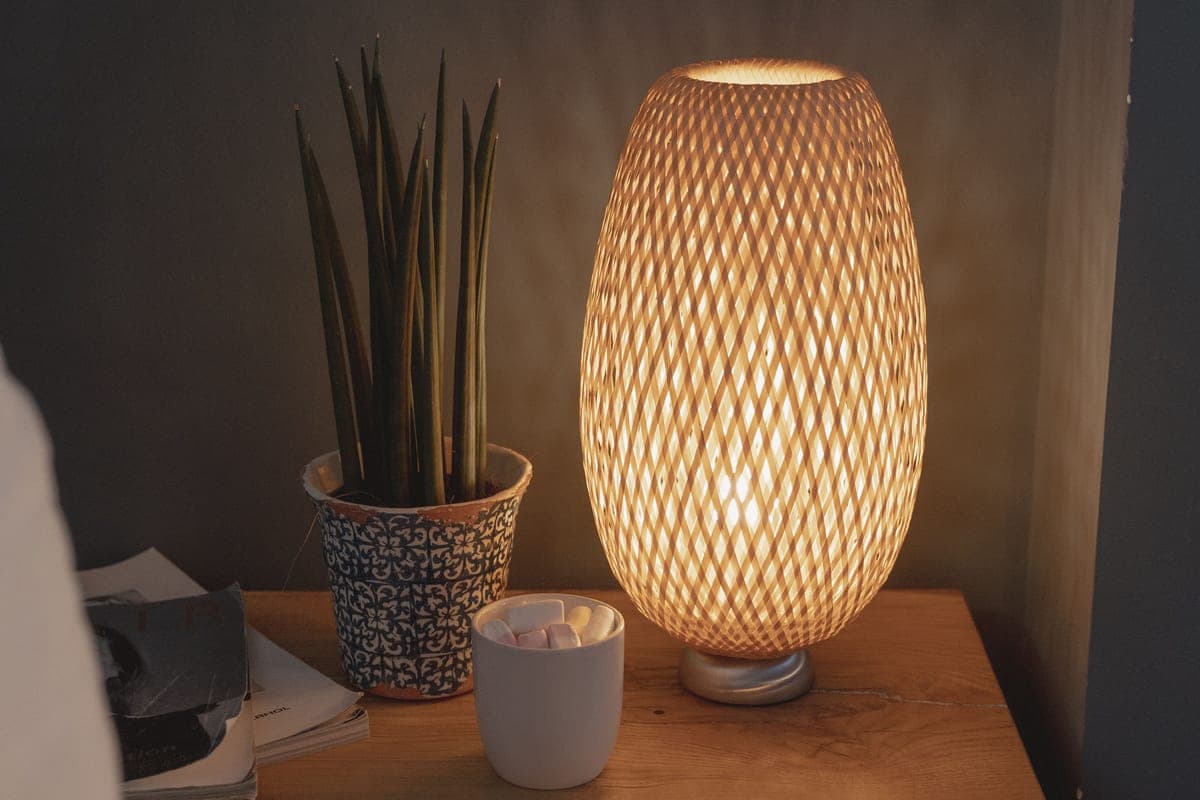
Photographs on this site are licensed stock and are illustrative of the fixture type. We do not own the units we write about.
How this page is funded: the buy links here are Amazon Associates links, and we earn a commission on qualifying purchases at no extra cost to you. We have not been paid to feature anything on this page, we accept no free product, and commission plays no part in the ranking. Full disclosure.
We have not tested these units. Everything below comes from the manufacturer’s own published specifications, or from arithmetic we have shown our working for. Where a figure is not published, we say so instead of estimating one. Read the method.
Quick picks
Efficacy is photons out per joule in. Where a manufacturer publishes it we quote theirs; where they publish photon output and wattage but not efficacy, we divide and label it as ours; where they publish neither, the cell says so rather than guessing. Tap a row for the full write-up.
| # | Product | Best for | Efficacy | Price |
|---|---|---|---|---|
| 1 | 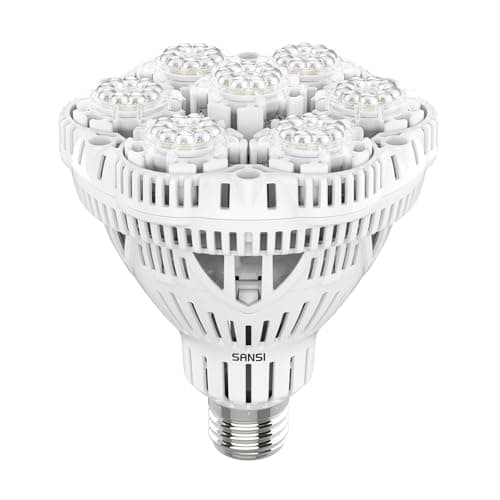 SANSI 36W BR30 Grow Light Bulb The rare grow bulb that publishes both PPF and a PPFD figure with the measurement distance attached, which is the only reason it can be sized honestly. | One tree on a bench | 1.82 umol/J (ours) | |
| 2 | 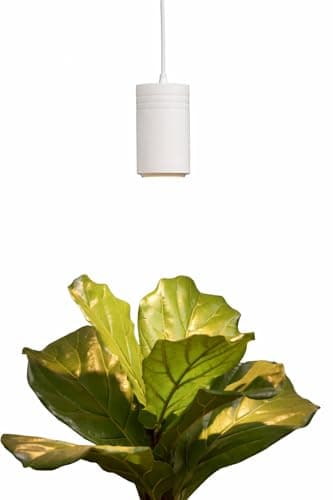 Soltech Aspect Gen 2 The only fixture here you would willingly hang in a living room, and the only one publishing PPFD at three separate distances so it can actually be placed by the numbers. | A display tree in a living room | 1.39 umol/J (ours) | |
| 3 | 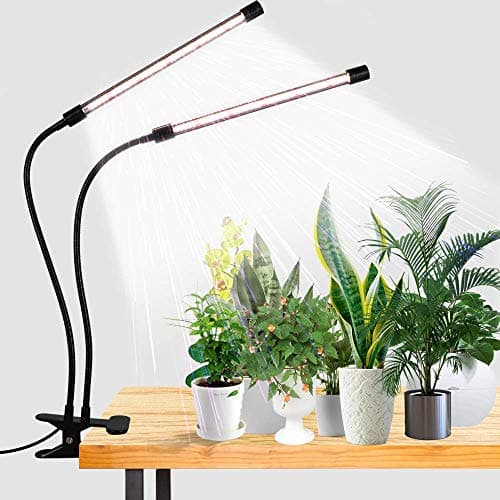 GooingTop Clip Grow Light The cheapest way to put real light on one plant on one desk, and honest about being exactly that — a 10 W clip lamp with a repeating timer. | A shohin or mame on a desk | Not published |
The reasoning
We have not tested these fixtures and we do not grow bonsai. What follows is the published specification for each light, the Extension guidance this site uses throughout, and our own arithmetic joining the two.
Start with the distinction that decides everything else. A bonsai is not a houseplant species. It is an ordinary tree whose roots and canopy are kept small by pruning, and its light requirement comes from the species it actually is. That is why the single most common indoor bonsai failure has nothing to do with the fixture you buy.
The trees that cannot be grown indoors at all
Junipers, pines, spruces, most maples and larches are temperate outdoor trees. They need a genuine cold dormancy in winter and full outdoor light in summer, and no grow light on this site or any other replaces either. A juniper sold as an “indoor bonsai” is a mislabeled outdoor tree, and it will decline over months in a way that looks slow enough to blame on watering.
The trees that genuinely do live indoors are tropical and subtropical: ficus (the commonest by far), Chinese elm, jade, carmona, schefflera, sweet plum. Those are the trees this page is about, and for them a grow light is often the difference between survival and growth.
The target
Iowa State University Extension puts foliage and flowering houseplants at 6 to 10 mol/m²/day. Tropical bonsai belong in that band — a ficus indoors is a foliage plant with a thick trunk. The exception is jade, which is a succulent and belongs with the 12-to-16 band this site uses for succulents, and which stretches badly when it is short.
8 mol/m²/day on a 12-hour schedule: 8,000,000 ÷ (12 × 3600) = 185 µmol/m²/s.
A bonsai canopy about 12 in across covers 0.785 sq ft = 0.0729 m². Delivering 185 across it at 0.8 uniformity needs 185 × 0.0729 ÷ 0.8 = about 17 µmol/s.
Seventeen micromoles per second is a small amount of light — one modest bulb. The reason bonsai still go wrong indoors is not that the number is hard to reach; it is that a windowsill in winter does not reach it, and that people then hang a fixture at the wrong height.
1. SANSI 36W BR30 — one tree on a bench
65.6 µmol/s published, and a PPFD of 265.58 µmol/m²/s at a stated one foot. The stated distance is what makes this the first pick: a bonsai lives at a fixed height on a bench or a table, so being able to set the gap by arithmetic rather than by eye is worth more here than raw output.
265.58 µmol/m²/s at 1 ft is the top of the high band — more than a ficus needs, and 11.4 mol/m²/day at 12 hours.
Light falls with the square of distance. At 18 in: 265.58 × (12 ÷ 18)² = 118 µmol/m²/s, which is 5.1 mol/m²/day — the middle of the target band.
So: 15 to 18 inches above the canopy for a tropical bonsai, and closer to 12 for a jade.
The downside: it lights one tree. A bench of five bonsai needs a bar, not five bulbs, and at 36 W it is the most expensive pick here to run — about $2.38 a month at 12 hours.
2. Soltech Aspect Gen 2 — a display tree in a living room
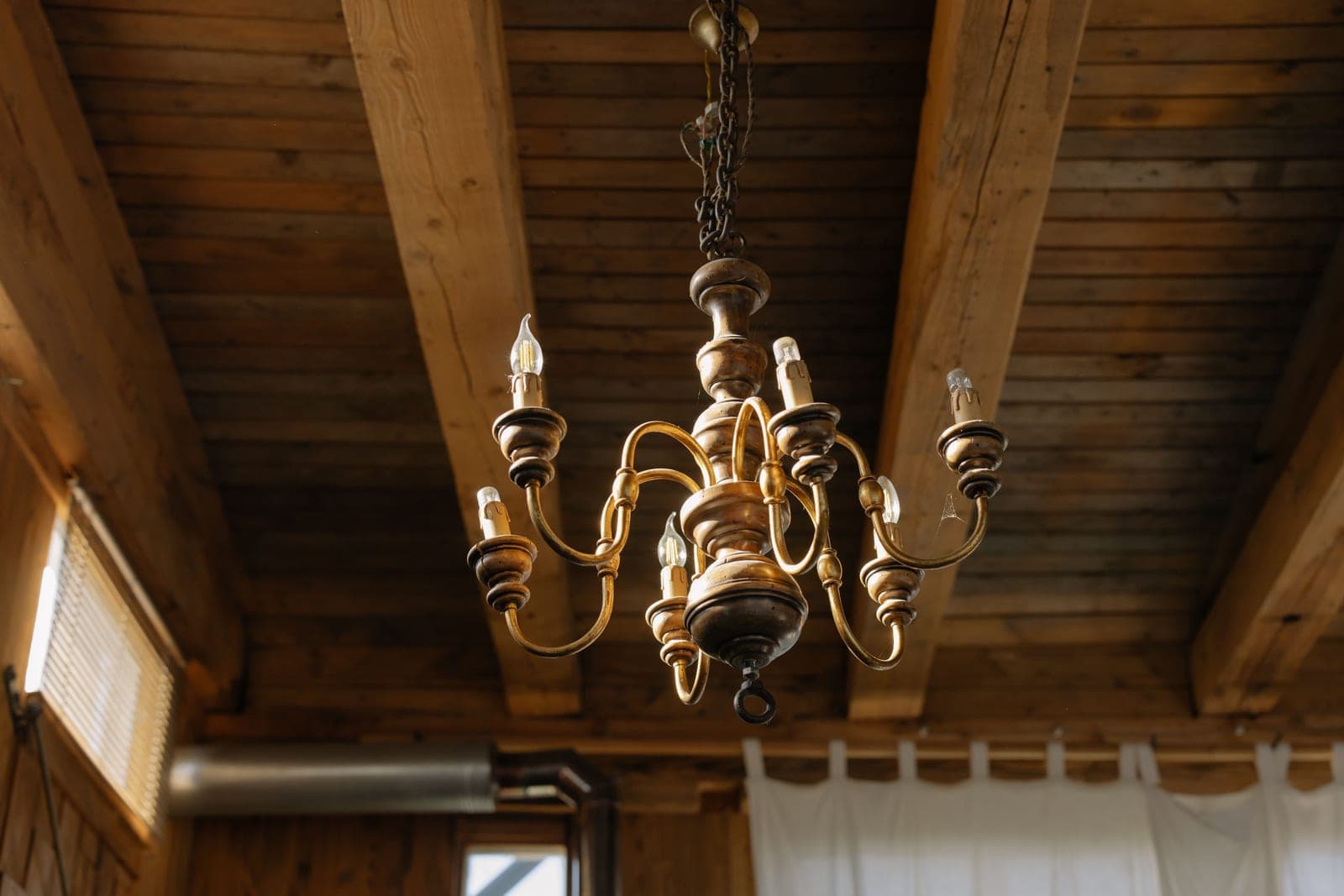
Bonsai are displayed, not stored, and that is a real constraint: the fixture is in the room and part of the picture. The Aspect is the only light we cover that people willingly hang in a living room, and it publishes PPFD at three distances so it can still be placed by numbers.
Soltech publishes about 50 µmol/m²/s at 1 m, 34.9 at 4 ft and 15.5 at 6 ft.
At 1 m and 12 hours that is only 2.2 mol/m²/day, well below the 6-10 target. Applying the inverse-square relationship to halve the distance to about 20 in gives 50 × 4 = 200 µmol/m²/s, or 8.6 mol/m²/day — on target.
That is the honest instruction for this fixture: hung at the height pendants usually hang, it is a decorative light that keeps a low-light plant alive. Hung about 20 inches above the canopy, it is a real grow light for one tree.
The downside: at 1.39 µmol/J it is one of the least efficient fixtures here, and much of the price is industrial design. It also only publishes 50 µmol/s in total, so it will not serve a group. Detail in the Aspect review.
3. GooingTop clip light — a shohin or mame on a desk
Small bonsai — shohin at under about 8 inches, mame smaller still — have canopies of a few square inches, and the 17 µmol/s figure above scales down with the area. A clip light on a gooseneck, with five brightness levels and a repeating 4/8/12-hour timer in the cable, matches that scale and clips to the shelf the tree sits on.
The downside: no published photon data at all, so nothing on this page can be computed for it. For a tree this small that is a tolerable trade; for anything larger it is not.
Rotate the tree, or pay for it in shape
This is the part of bonsai lighting that differs from every other page on this site. Everywhere else, light is about survival and growth rate. In bonsai the tree’s shape is the entire point, and plants grow toward light.
A tree lit from one side for a year will thicken and extend on that side and thin on the other, and the correction takes seasons of pruning rather than a repositioning. Two habits prevent it: mount the fixture directly above the canopy rather than off to one side, and rotate the pot a quarter turn every week or two. The second costs nothing and removes the problem entirely.
Hours, and the winter question
Iowa State University Extension gives 12 to 14 hours as the general range for indoor plants, with 10 as a floor and 16 as a ceiling. Twelve hours suits tropical bonsai year-round and is what the arithmetic above assumes.
Resist the urge to run 16 hours through winter to compensate for a dark room. Tropical species do not need a dormancy, but they do respond to day length, and a stable 12 hours produces steadier growth than a long summer schedule followed by a short one. If the tree is short of light, the fix is distance and intensity, not hours — which is the opposite of the advice this site gives for low-light foliage plants, and it is because these trees sit in a higher band.
What the tree tells you
- Too little light: long gaps between leaves on new shoots, leaves larger and thinner than the older ones, inner branches dying back, and in ficus a general leggy reach toward the window. Leaf size increasing is the signal people misread as health.
- Too much: pale or bleached patches on the leaves nearest the fixture, crisping at the leaf margins, and in jade a red or purple flush at the leaf edges. Raise the light.
- Not a light problem: sudden leaf drop after a move, which is ficus behaving normally on being relocated, and yellowing from the bottom of the tree upward, which is more often watering.
What each indoor species actually wants
“Indoor bonsai” covers a handful of unrelated trees with genuinely different requirements, and treating them as one category is why generic advice fails. Bands below are Iowa State University Extension’s; the placement of each species into a band is ours.
| Species | Band | Notes |
|---|---|---|
| Ficus (retusa, ginseng, benjamina) | 6-10 mol/m²/day | The default indoor bonsai; tolerant, and the easiest to light |
| Chinese elm | 6-10 | Semi-deciduous indoors; may drop leaves seasonally without it being a fault |
| Jade (Crassula, Portulacaria) | 12-16 | A succulent, not a tropical; stretches badly when short of light |
| Carmona (fukien tea) | 6-10 | Unforgiving of change generally, including light changes |
| Schefflera | 6-10 | Tolerant of the low end of the band |
| Juniper, pine, maple, larch | Outdoor trees | Not indoor species at any light level |
The practical consequence is that a jade bonsai and a ficus bonsai sitting on the same bench under the same bulb cannot both be right. The jade wants roughly double, which in practice means putting it closest to the fixture and the ficus further out, or lighting them separately.
Lighting a bench of several trees
Once there are three or more trees, individual bulbs stop being tidy and a bar starts to make sense. The arithmetic follows the bench, not the tree.
A 4 ft × 1 ft bench is 0.3716 m². For 8 mol/m²/day at 12 hours you need 185 µmol/m²/s, so 185 × 0.3716 ÷ 0.8 = about 86 µmol/s.
Two 4 ft bars publishing 52 µmol/s each deliver 104 µmol/s, or about 224 µmol/m²/s across the bench — 9.7 mol/m²/day at 12 hours. That covers the whole bench with the top of the band.
A bar also solves the shaping problem better than a bulb does. Light arriving along the length of a bench is more even than light arriving from a point above one tree, and even light produces more symmetrical growth, which is the entire aesthetic objective. The options are in best grow light bars.
Supplementing a window rather than replacing it
Most indoor bonsai live on a windowsill and need help in winter rather than light year-round, which changes the sizing question.
A fixture used as a supplement does not have to deliver the whole band on its own; it has to close a gap that varies with the season and the window. That argues for the smaller, cheaper bulb rather than the bench-wide bar, and for running it on the short winter days only — typically October to March in most of the US, which is the same window the rest of this site’s winter guidance assumes.
It also argues for putting the light where the window is not. A tree lit from a south window on one side and a fixture on the other gets more even light than either alone, and needs less rotation to stay symmetrical — a small trick that costs nothing and works well for trees that are displayed against a wall.
Buying a fixture you can live with
Bonsai are displayed in living rooms, hallways and offices, which imposes a constraint almost no other page on this site has to take seriously: the fixture is visible, and it is on for twelve hours a day in a room you occupy.
Three things decide whether a grow light is tolerable in a living space. The first is color: white-light fixtures with a published CRI of 80 or above render a room normally, while the pink-purple blue-plus-red fixtures turn everything around them a color most people dislike within a week. The second is glare, which is about whether the emitter is visible from where you sit rather than about output. The third is the physical object itself — a shop-light bar screwed above a display alcove reads as a workshop, and a pendant reads as a lamp.
That is the real case for the Soltech pendant on this page despite its modest 50 µmol/s and its 1.39 µmol/J: it is the fixture people actually keep switched on, because it does not make the room look like a propagation shelf. A more efficient bar that gets turned off when guests arrive delivers less light to the tree over a year than a weaker pendant that runs its full schedule.
Every pick in full
SANSI 36W BR30 Grow Light Bulb
Grow bulbOne tree on a bench
The rare grow bulb that publishes both PPF and a PPFD figure with the measurement distance attached, which is the only reason it can be sized honestly.
What SANSI publishes
- Power draw
- 36 W (source)
- PPF (photon output)
- 65.6 umol/s (source)
- PPFD
- 265.58 umol/m2/s at 1 ft (source)
- Spectrum
- 4000 K, 400-780 nm, CRI close to 100 (source)
- Rated life
- 25,000 hours (source)
Our arithmetic
- Efficacy, computed from the published figures: 1.82 umol/J
65.6 umol/s / 36 W = 1.82 umol/J. That is roughly a third less efficient than the panels on this page — the price of a screw-in form factor. - Electricity used at 12 hours a day for 30 days: 12.96 kWh a month
36 W x 12 h x 30 d / 1000 = 12.96 kWh.
What SANSI does not publish
- Beam angle
- Fixture dimensions
Who should skip it
Skip it if you are lighting more than one plant. 65.6 umol/s is a small amount of light spread over a cone — it lights a single specimen, not a shelf.
Soltech Aspect Gen 2
PendantA display tree in a living room
The only fixture here you would willingly hang in a living room, and the only one publishing PPFD at three separate distances so it can actually be placed by the numbers.
What Soltech publishes
- Power draw
- 36 W (source)
- PPF (photon output)
- 50 umol/s (source)
- PPFD
- about 50 umol/m2/s at 1 m, 34.9 at 4 ft, 15.5 at 6 ft (source)
- Spectrum
- 3000 K warm white, CRI 98 (source)
- Dimming
- Yes, in-line dimmer 10-100% (source)
- Dimensions
- 3.5 x 3.5 x 6.2 inches (source)
- Rated life
- 50,000 hours (source)
Our arithmetic
- Efficacy, computed from the published figures: 1.39 umol/J
50 umol/s / 36 W = 1.39 umol/J. Roughly half the efficacy of a 2.7 umol/J board — the design premium is paid twice, once at purchase and again every month on the meter.
Who should skip it
Skip it if photons per watt is the metric that matters. At 50 umol/s from 36 W it is the least efficient fixture on this page, and much of the price is industrial design.
GooingTop Clip Grow Light
Clip lightA shohin or mame on a desk
The cheapest way to put real light on one plant on one desk, and honest about being exactly that — a 10 W clip lamp with a repeating timer.
What GooingTop publishes
- Power draw
- About 10 W (source)
- Spectrum
- 6000 K, 74 white plus 10 red LEDs, CRI 95 (source)
- Dimming
- Five brightness levels; repeating 4 / 8 / 12 hour timer (source)
What GooingTop does not publish
- PPF in umol/s
- PPFD at any distance
- Photon efficacy in umol/J
- The manufacturer publishes no spec sheet at all; the figures above come from the retail listing
Who should skip it
Skip it if the plant is more than about a foot across, or if you want any number at all before you buy — nobody publishes photon data for this fixture.
Questions people actually ask
+How much light does an indoor bonsai need?
+How far above a bonsai should a grow light be?
+Can you keep a juniper bonsai indoors under a grow light?
+Should you rotate a bonsai under a grow light?
Sources
- Iowa State University Extension — Important Considerations for Providing Supplemental Light to Indoor Plants — consulted September 2, 2026
- University of Minnesota Extension — Lighting for indoor plants and starting seeds — consulted September 2, 2026
- SANSI — BR30 36W grow light bulb product page — consulted September 2, 2026
- Soltech — Aspect Gen 2 published specifications — consulted September 2, 2026
- GooingTop clip grow light — retail listing specifications (no manufacturer spec sheet published) — consulted September 2, 2026
- US Energy Information Administration — Electric Power Monthly, Table 5.3 (US residential average, June 2026) — consulted September 2, 2026
Read next
Houseplants
Grow Lights for Jade Plants
The high-light band jade wants, the distance that delivers it, and how to acclimate a stretched plant.
Top pick
Spider Farmer SF1000
Houseplants
What Plants Benefit From Grow Lights?
Plants ranked by how much a fixture actually changes the outcome, not by their light band.
Top pick
Barrina T5 4ft Grow Light Strips
Reviews
Soltech Aspect Gen 2
A living-room pendant with genuinely usable placement data and the lowest efficacy here.
Top pick
Soltech Aspect Gen 2
Coverage & Sizing
How Far Should a Grow Light Be From Plants?
The inverse-square rule, published PPFD-at-distance figures, and a by-plant table.
Top pick
Soltech Aspect Gen 2
Where this sits
This page belongs to Grow Lights for Houseplants and Winter. Every figure on it is either quoted from a named published source or derived in view — the full method is on our methodology page, and how the site is funded is on the affiliate disclosure.