Roundup
The Most Efficient Grow Lights by µmol/J
Every fixture we cover ranked on published photon efficacy, with derivations shown.
A grow light costs less to run than almost anyone expects, and the exact figure takes one line of arithmetic. Here it is, with your own tariff.
Almost everyone overestimates this, and it puts people off buying a light that would cost them a few dollars a month. The arithmetic is one line, it needs no assumptions beyond your own tariff, and it settles the question in about ten seconds.
A 36 W grow bulb running 12 hours a day, at the US residential average of 18.34 cents per kWh:
36 × 12 ÷ 1000 = 0.432 kWh a day.
0.432 × 30 = 12.96 kWh a month → $2.38 a month.
Over five months of winter, about $11.90. That is the entire cost of keeping a plant growing through a dark season.
The rate above is the US residential average from the EIA’s Electric Power Monthly for June 2026. Your own rate is on your bill, and it varies enormously by state — which is exactly why the cost calculator takes it as an input rather than assuming it.
| Fixture class | Typical draw | kWh/month | Cost/month |
|---|---|---|---|
| Clip light | 10 W | 3.6 | $0.66 |
| Grow bulb | 36 W | 13.0 | $2.38 |
| Pendant | 36 W | 13.0 | $2.38 |
| Linked bars (4 × 20 W) | 80 W | 28.8 | $5.28 |
| LED panel | 100 W | 36.0 | $6.60 |
| Large LED panel | 150 W | 54.0 | $9.90 |
| Full shelf rack (12 bars) | 240 W | 86.4 | $15.85 |
Two things, and only two: how many watts the fixture draws, and how many hours you run it. Efficacy — photons per joule — does not change the bill directly. What it changes is how much light you get for those watts, which means an efficient fixture lets you hit the same target with fewer watts, or run for fewer hours.
The efficacy spread across the fixtures we have specs for is 1.39 to 2.7 µmol/J. To deliver the same 250 µmol/s, the efficient one draws about 93 W and the inefficient one about 179 W — which over a five-month winter at 14 hours a day works out to roughly $36 versus $69. Real, and worth thinking about at purchase, but not the difference between affordable and unaffordable.
Using the “equivalent” wattage from the box. A fixture marketed as “1000 W equivalent” that actually draws 160 W costs you the 160, not the 1000. Always compute from actual draw. If a product page will not tell you actual draw, that is a meaningful signal about the rest of its specifications.
Each of these names a top pick and links straight out to it. Prices come from the live price layer, which is why they read “check price” rather than showing a figure we cannot verify at the moment you load the page.
Roundup
Every fixture we cover ranked on published photon efficacy, with derivations shown.
Put your own numbers in. The formula and a worked example sit under each one.

Calculator
Watts, hours and your own electricity rate, turned into monthly and seasonal cost.
Top pick
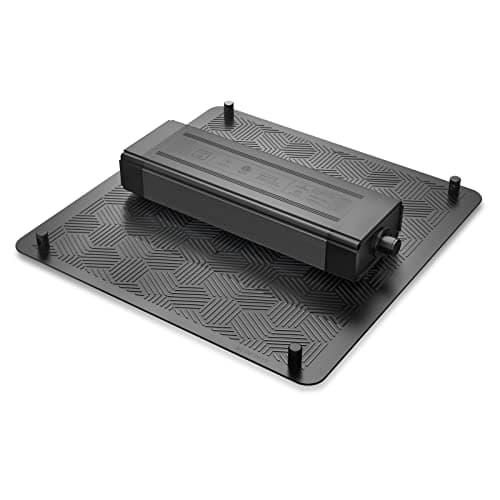
AC Infinity IONBOARD S22
Guide
Monthly kWh and cost per fixture, and how that compares with household appliances.
Top pick
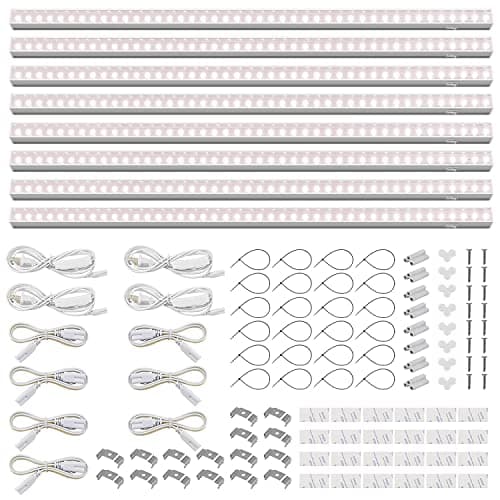
Barrina T5 4ft Grow Light Strips
Guide
The exact bill impact, how to isolate it, and the loads that usually caused the jump.
Top pick
AC Infinity IONBOARD S22
Guide
Five setups priced for a full winter season, from a clip light to a three-shelf rack.
Top pick
Barrina T5 4ft Grow Light Strips
Comparison
The draw difference between T5 fluorescent and LED replacements, priced over a season.
Top pick
Barrina T5 4ft Grow Light Strips
Comparison
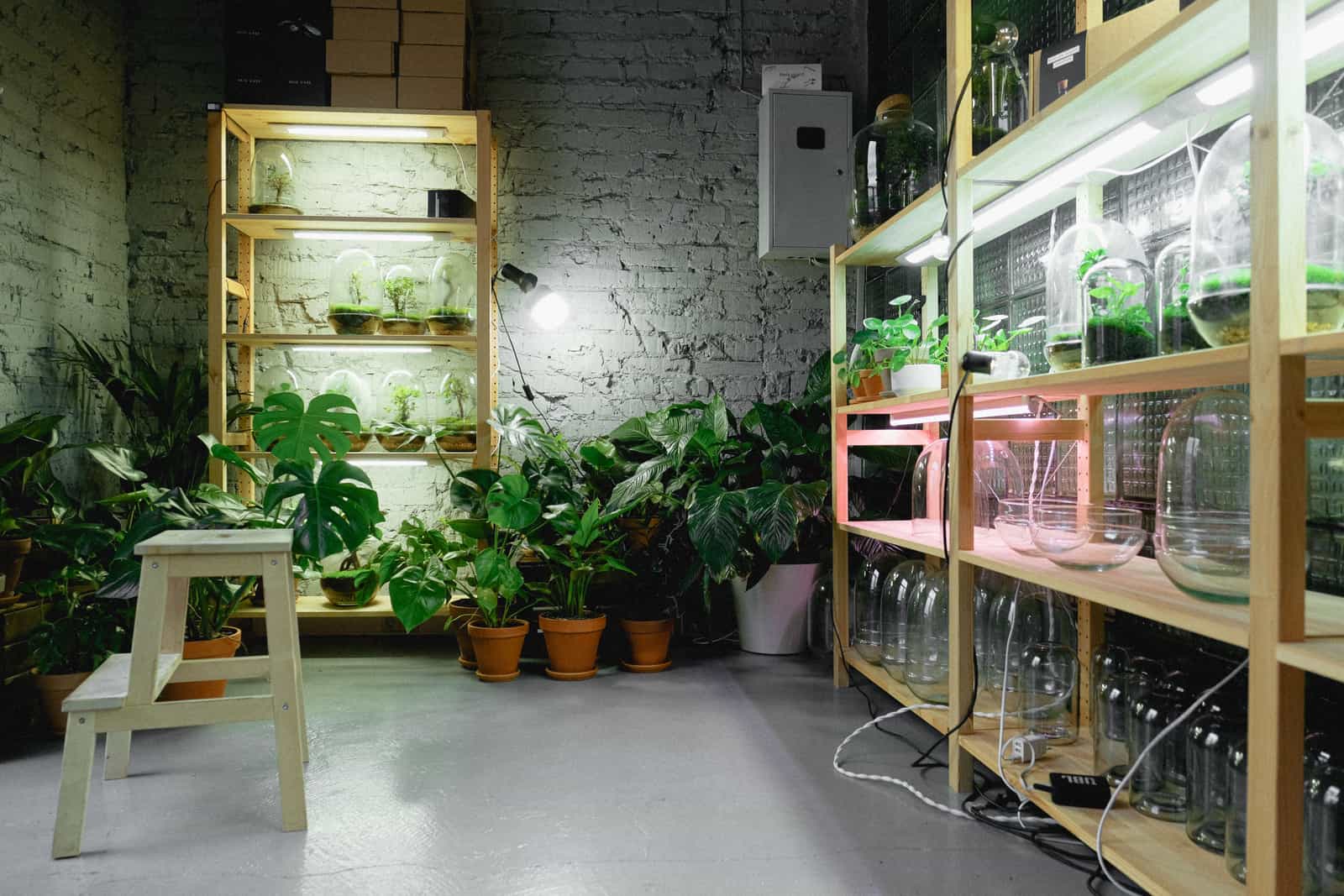
What an LED panel actually saves against the HPS lamp it claims to replace.
Top pick
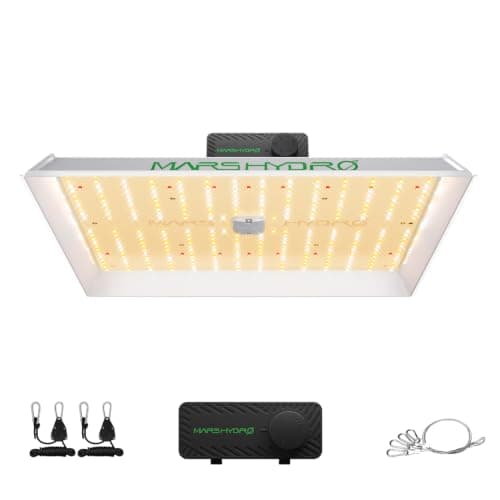
Mars Hydro TS 1000
Guide
Where the heat actually goes, what it means for plants and rooms, and the safety basics.

Guide
How to find real draw on a listing, and why the headline wattage is usually not it.
Top pick
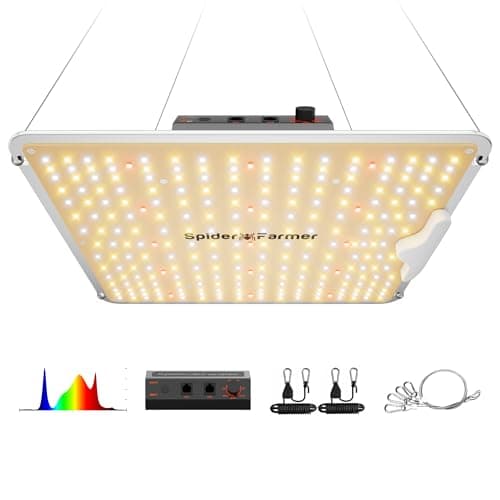
Spider Farmer SF1000
Guide
Published rated hours converted to years, and why running cost dwarfs replacement.
Top pick
Spider Farmer SF1000