Roundup
The Best Grow Lights for a Shelf or Rack
Picks chosen on footprint match first, because a square panel over a long shelf wastes its edges.
Top pick
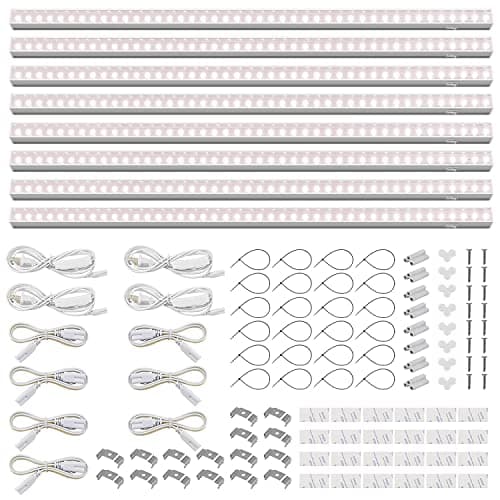
Barrina T5 4ft Grow Light Strips
One division sizes a grow light: photons per second, divided by the area you are lighting. Everything else on this page is that sum, applied.
Sizing a grow light looks like a hard problem and is not. It is one division, and then one multiplication to check it against a published target. The reason it feels hard is that most product pages do not give you the number you need to divide.
PPF is what the fixture emits. Divide it by the area you are lighting and you have the average intensity at the canopy. Multiply that by your photoperiod and you have the daily total, which is the figure every published plant target is expressed in.
The Mars Hydro TS 1000 publishes 343 µmol/s. A 2 × 2 ft area is 4 sq ft, or 0.372 m².
343 ÷ 0.372 = 922 µmol/m²/s at perfect uniformity. Applying a 0.8 uniformity factor: about 738 µmol/m²/s average.
At 14 hours: DLI = 738 × 14 × 3600 ÷ 1,000,000 = 37 mol/m²/day. That is fruiting-crop territory — roughly three times what a seed tray wants and ten times a low-light houseplant. The right response is to spread it over more area, raise it, or dim it.
A fixture does not deliver its average everywhere. The center is brighter than the corners, and the falloff at the perimeter is steep. A uniformity factor of 0.8 is a reasonable working assumption for one fixture over a small area; using 1.0 gives you the theoretical ceiling, which no real shelf achieves. It is a modeling assumption rather than a measurement, and we label it as such wherever it appears.
Buying by wattage. Watts measure electricity consumed, not light produced, and the conversion between them varies by nearly a factor of two across the fixtures on this site — from 1.39 to 2.7 µmol/J. A 100 W fixture at 2.7 µmol/J produces more usable light than a 150 W fixture at 1.6. Wattage tells you what it costs to run, and nothing about what it delivers.
Run your own numbers in the coverage calculator, then check the result against PPFD targets by plant type.
Each of these names a top pick and links straight out to it. Prices come from the live price layer, which is why they read “check price” rather than showing a figure we cannot verify at the moment you load the page.
Roundup
Picks chosen on footprint match first, because a square panel over a long shelf wastes its edges.
Top pick
Barrina T5 4ft Grow Light Strips
Put your own numbers in. The formula and a worked example sit under each one.

Calculator
Put in PPF, area and hours; get PPFD and DLI scored against published extension bands.
Top pick
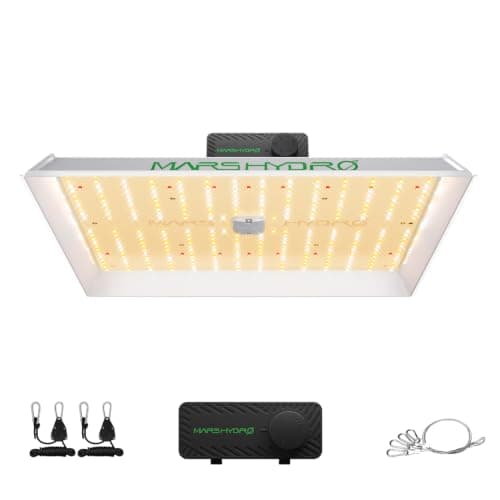
Mars Hydro TS 1000
Guide
Size from area and target, not from watts. The sum, plus a lookup table by area.
Top pick
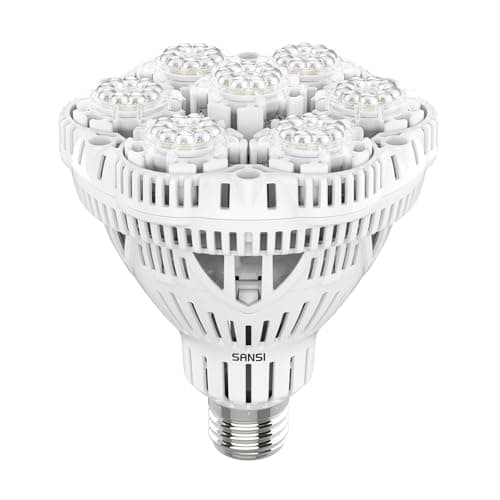
SANSI 36W BR30 Grow Light Bulb
Guide
The inverse-square rule, published PPFD-at-distance figures, and a by-plant table.
Top pick
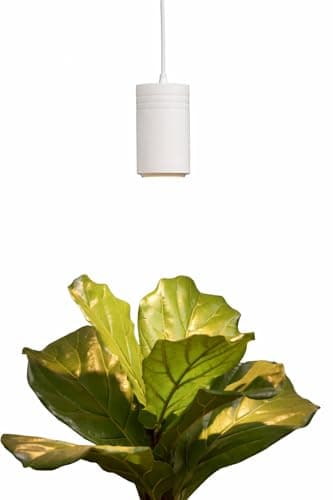
Soltech Aspect Gen 2
Reference
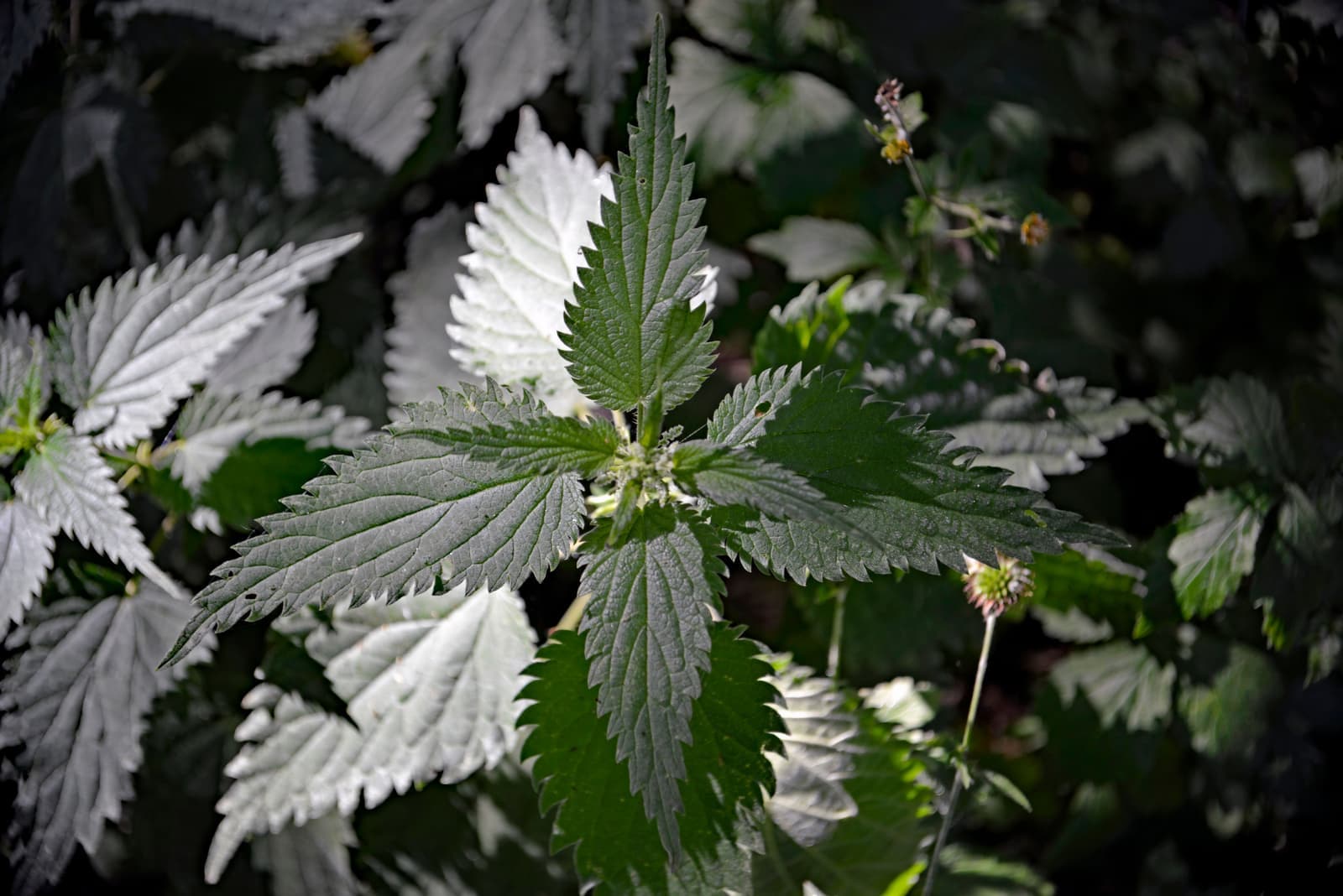
Published light bands mapped to common indoor plants, with the DLI each implies.
Top pick
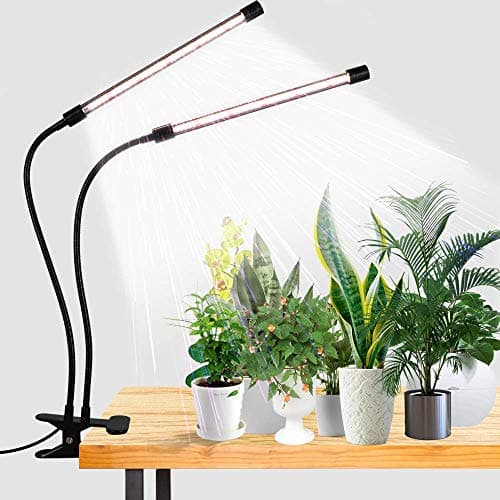
GooingTop Clip Grow Light
Reference
Published photoperiod guidance by plant, plus the cost of each additional hour.
Top pick
GooingTop Clip Grow Light
Guide
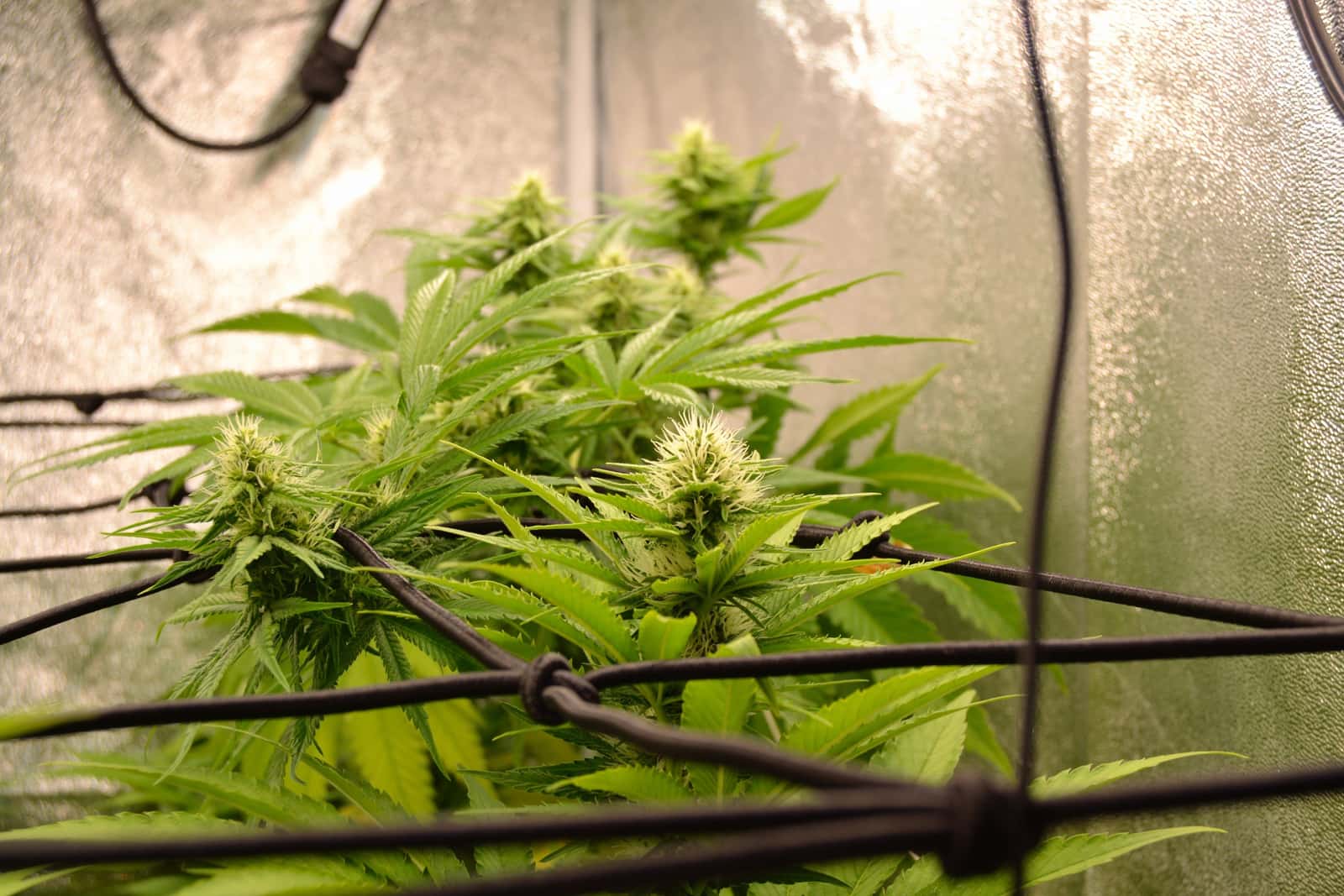
The photon requirement for a 4 × 4 ft area, and how many of each fixture covers it.
Top pick
Mars Hydro TS 1000
Comparison
How the two form factors distribute light, and which shapes each one suits.
Top pick
Barrina T5 4ft Grow Light Strips
Guide
Why phone apps cannot measure PPFD, and the three approaches that do work.
Guide
Built-in versus external timers, the failure mode nobody mentions, and what to set.
Top pick
GooingTop Clip Grow Light