Grow Lights for Spider Plants
The plant everyone keeps alive and almost nobody gets plantlets from. The difference between those two outcomes is mostly light, and it is a small number.
By Scooter M. — An enthusiast who's genuinely into this. I read the manuals, compile the published specs, and do the math. No lab coat.
Published · How we pick
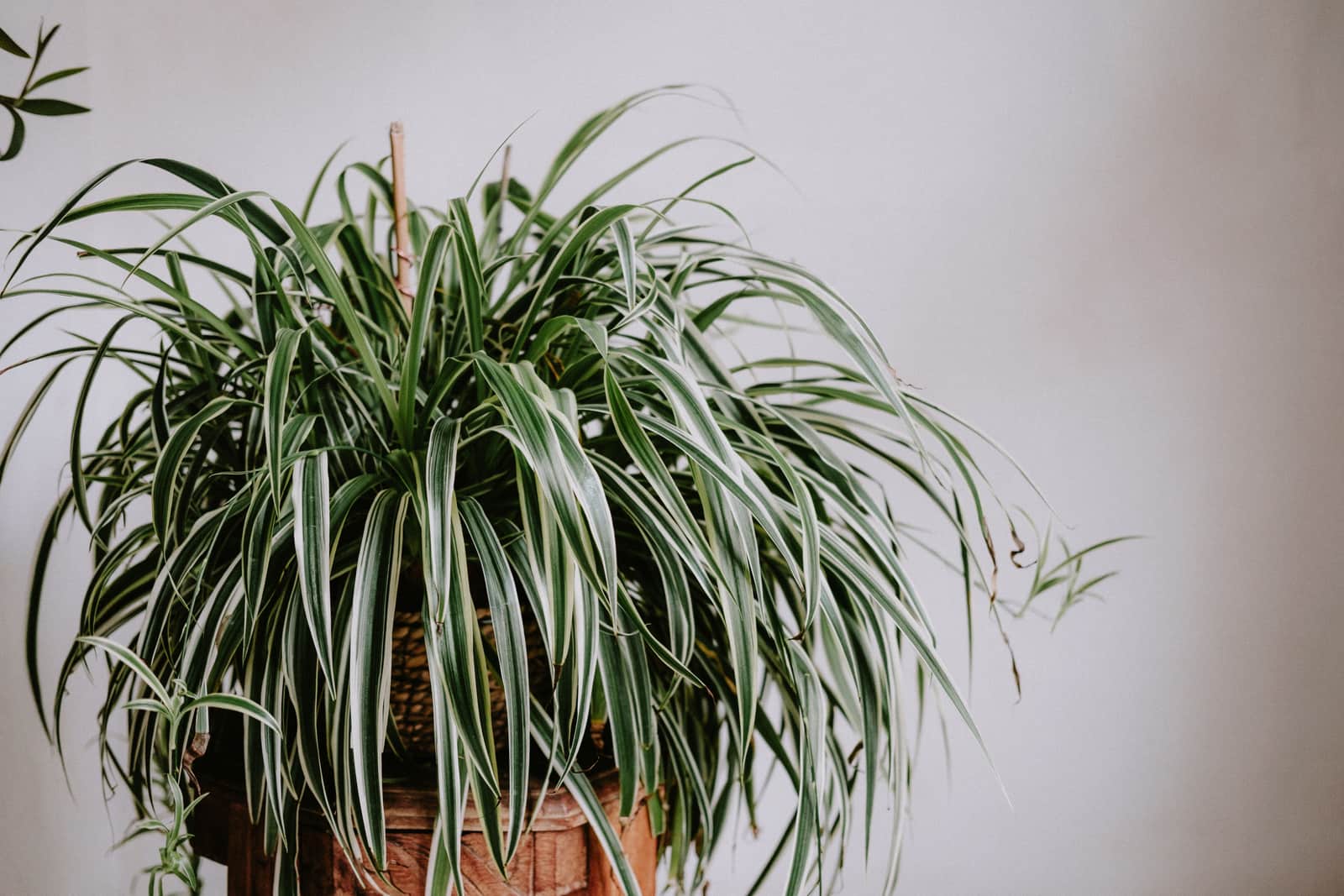
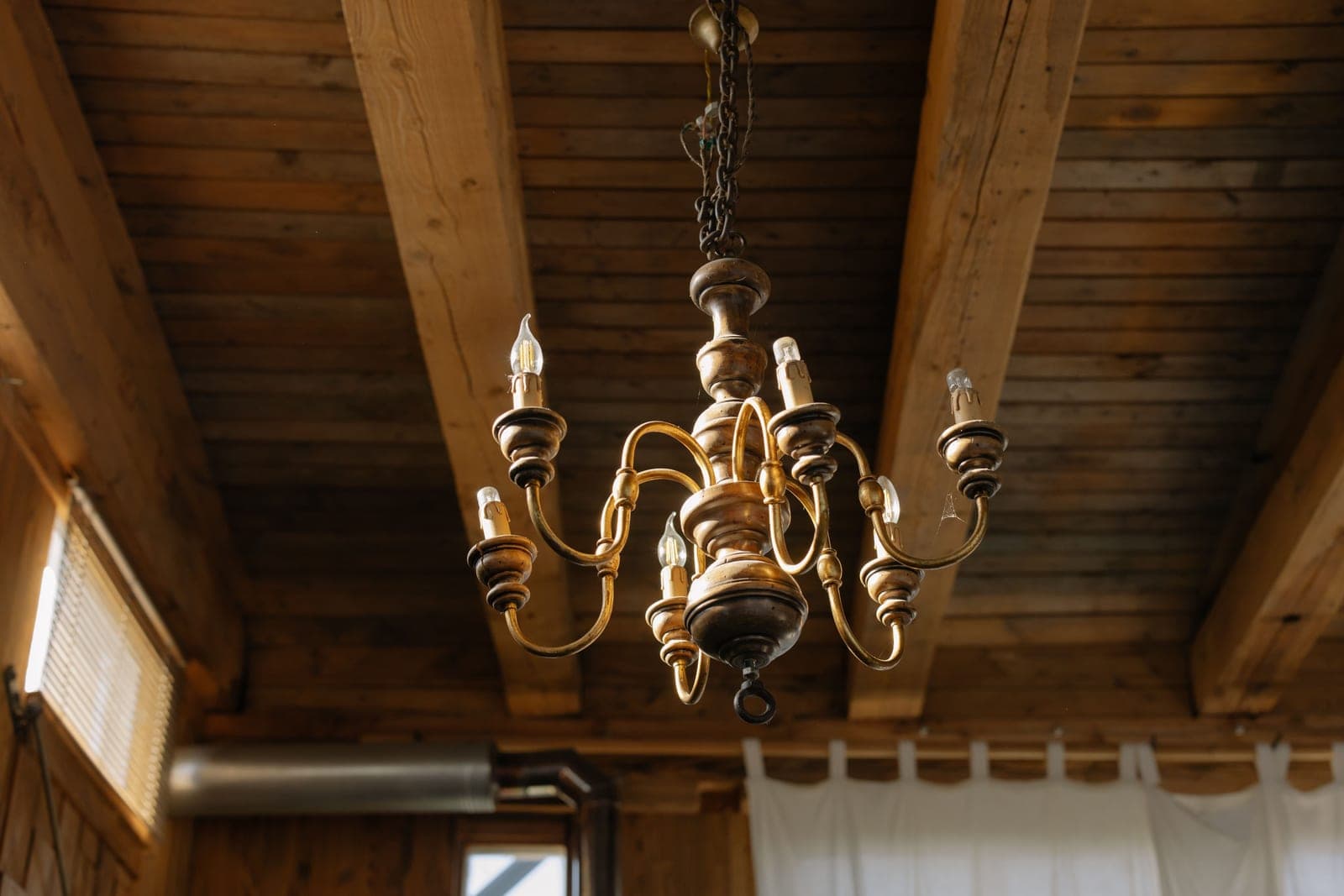
Photographs on this site are licensed stock and are illustrative of the fixture type. We do not own the units we write about.
How this page is funded: the buy links here are Amazon Associates links, and we earn a commission on qualifying purchases at no extra cost to you. We have not been paid to feature anything on this page, we accept no free product, and commission plays no part in the ranking. Full disclosure.
We have not tested these units. Everything below comes from the manufacturer’s own published specifications, or from arithmetic we have shown our working for. Where a figure is not published, we say so instead of estimating one. Read the method.
Quick picks
Efficacy is photons out per joule in. Where a manufacturer publishes it we quote theirs; where they publish photon output and wattage but not efficacy, we divide and label it as ours; where they publish neither, the cell says so rather than guessing. Tap a row for the full write-up.
| # | Product | Best for | Efficacy | Price |
|---|---|---|---|---|
| 1 | 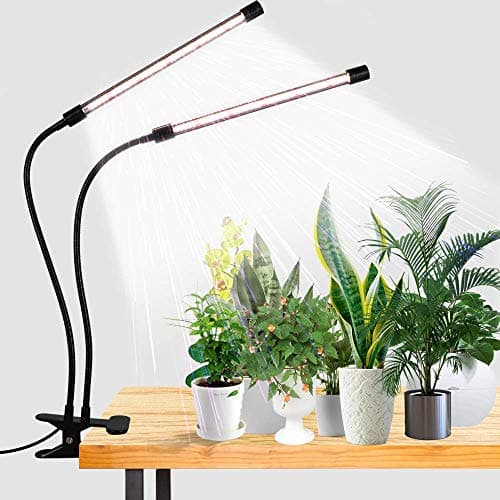 GooingTop Clip Grow Light The cheapest way to put real light on one plant on one desk, and honest about being exactly that — a 10 W clip lamp with a repeating timer. | A hanging basket | Not published | |
| 2 | 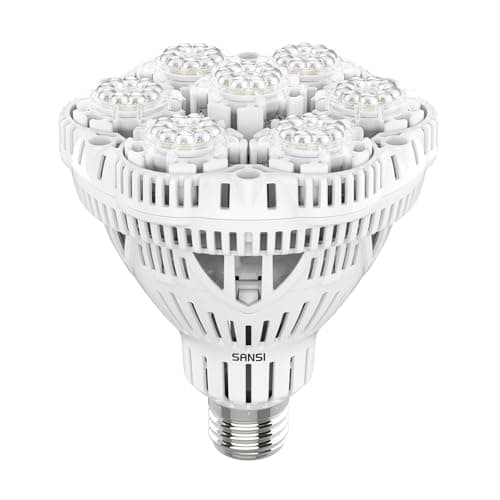 SANSI 36W BR30 Grow Light Bulb The rare grow bulb that publishes both PPF and a PPFD figure with the measurement distance attached, which is the only reason it can be sized honestly. | Placeable by arithmetic | 1.82 umol/J (ours) | |
| 3 | 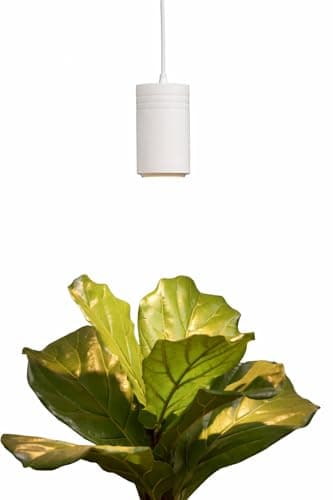 Soltech Aspect Gen 2 The only fixture here you would willingly hang in a living room, and the only one publishing PPFD at three separate distances so it can actually be placed by the numbers. | A plant on display | 1.39 umol/J (ours) |
The reasoning
Spider plants belong to the same awkward category as pothos and snake plants: genuinely tolerant of low light, and therefore routinely kept at a level where they persist without doing anything. The plant does not complain. It just sits there, the same size, for a year.
What makes this one different from the other two is that it has an obvious, countable output — the plantlets, the little spider babies on arching stems that are the entire reason most people own it. Those are the first thing a spider plant stops producing when light is short, and the clearest signal that a fixture would change something.
µmol/m²/s — the top of University of Minnesota Extension's low band into the medium band. Higher than a snake plant, lower than a herb.
Why they want more than a pothos
Two reasons, and the second is the one people miss.
First, almost every spider plant sold is variegated — the cream or white stripe down the leaf is the default, not the exception. Variegated tissue has little or no chlorophyll, so a striped leaf is doing the work of a partial leaf, and the plant needs proportionally more light to break even. The same logic applies to variegated pothos and philodendrons, covered in grow lights for pothos.
Second, producing plantlets is expensive. A spider plant throws spiderettes when it has surplus energy, not when it is breaking even. Keeping a plant alive and getting it to reproduce are different light budgets, and the gap between them is roughly the gap between the bottom and the top of the range above.
The lamp distance, computed
SANSI is the only bulb we cover that publishes a light-density figure with the distance it was measured at — 265.58 µmol/m²/s at 1 ft — which makes placement arithmetic rather than guesswork.
At 14 in (1.167 ft): 265.58 × (1 ÷ 1.167)² = 195 µmol/m²/s — the top of the range. This is the setting to use if you want plantlets.
At 18 in: 265.58 × (1 ÷ 1.5)² = 118 µmol/m²/s — comfortable maintenance, good color, modest growth.
At 24 in: 66 µmol/m²/s — below the band. The plant survives here and will not do much else.
So the useful spread is 14 to 18 inches from a bulb of this output: the low end for a plant you want producing babies, the high end for one you simply want looking well. The general method is in how far a grow light should be from plants.
The hanging-basket problem
Spider plants are usually hung, and that creates a mounting problem nothing else on this site has. A bulb in a table lamp is below the plant. A panel needs a ceiling hook you probably cannot fit. And the plant itself is a dome of arching leaves rather than a flat surface, so light from directly above reaches the crown and very little reaches the sides where the plantlets hang.
Three workable arrangements, in order of how well they suit a basket:
| Arrangement | How it mounts | The trade-off |
|---|---|---|
| Clip light on a shelf edge or curtain rail | Clamps — no hardware, no holes | Small output; lights one plant and nothing else |
| Grow bulb in an adjustable floor or arc lamp | Existing lamp, positioned beside the basket | Places by arithmetic, but a floor lamp beside a hanging basket is an awkward object |
| Pendant hung near the basket | Needs somewhere to hang from, same as the plant | Looks right in a room; modest light, and it competes with the basket for the hook |
| Take it down and put it on a shelf for winter | Nothing to mount at all | Free, and by far the most effective. It is just not what people want to hear |
That last row is genuinely the best answer for most people between November and March, and we would rather say so than sell a fixture around it. A spider plant on a shelf under a light it can actually reach beats one hanging in a dim corner under a pendant, every time.
The symptom that is not about light
Brown leaf tips. It is the single most-searched spider plant problem and it is almost never a lighting issue. The usual suspects are water-related — fluoride and salts in tap water accumulating at the leaf tip, inconsistent watering, or fertilizer build-up in the pot. Low humidity contributes.
Adding a grow light will not fix brown tips, and it can make them marginally worse by drying the pot faster. If your plant has brown tips and no plantlets, those are two separate problems with two separate causes, and only the second one is on this page.
What each symptom actually means
| What you see | Light problem? | What it is |
|---|---|---|
| No plantlets for a year or more | Usually yes | The plant is breaking even rather than running a surplus. More light is the lever |
| Variegation fading toward plain green | Yes | Pale tissue cannot photosynthesize, so a short-of-light plant grows greener leaves |
| Pale, floppy, stretched new leaves | Yes | Below the band. Lower the fixture or move the plant |
| Brown, crispy leaf TIPS | No | Water quality, salts or fertilizer build-up. A fixture will not help |
| Whole leaves yellowing from the base | No | Usually overwatering |
| Pale, washed-out leaves in a bright window | Yes — too much | Direct summer sun scorches them. This is the one plant here more often over-lit than under |
Hours
Twelve to fourteen. Iowa State University Extension suggests 12 to 14 hours a day for indoor plants under supplemental light, with 10 as a floor and 16 as a ceiling. Because the intensity target is modest, hours carry a lot of the load:
195 µmol/m²/s for 13 hours: 195 × 13 × 3600 ÷ 1,000,000 = 9.1 mol/m²/day.
For scale, seedlings want about 12 mol/m²/day per University of New Hampshire Extension. A spider plant producing babies is asking for roughly three quarters of a seed tray’s daily light, which is more than most people assume and still well within one bulb.
The three fixtures, and their honest limits
- GooingTop clip light — the only one here that solves a hanging basket outright, because it clamps to a shelf edge, curtain rail or the basket’s own bracket. About 10 W, five brightness levels, a built-in repeating timer, and roughly $4 of electricity across an entire winter. The con: there is no manufacturer spec sheet at all — the figures we can report come from the retail listing — so nothing about its output can be computed or compared. It also lights one plant.
- SANSI 36W BR30 — the placeable option. Published 65.6 µmol/s and 265.58 µmol/m²/s at a stated 1 ft means you can set the distance on paper before buying, and it goes in a lamp you already own. The con: 1.82 µmol/J is about a third less efficient than a panel, and a floor lamp aimed at a hanging basket is an ungainly arrangement.
- Soltech Aspect Gen 2 — the one you would hang in a living room, publishing light density at three distances (about 50 µmol/m²/s at 1 m, 34.9 at 4 ft, 15.5 at 6 ft) so it can be placed properly. The con: those figures show it is modest — 50 at a meter is the floor of the low band, below what a spider plant needs for plantlets — and at 1.39 µmol/J it is the least efficient fixture we cover.
Deliberately absent: every panel. A 100 W panel over one spider plant is several times the light it will use, in a fixture that needs hanging. If the spider plant shares a shelf with other foliage plants, size for the shelf instead — see our houseplant picks.
What it costs
Clip light (about 10 W), 12 h: 0.12 kWh a day × 182 = 21.8 kWh = $4.00 for the season at the US residential average of 18.34 cents per kWh.
Bulb (36 W), 13 h: 0.468 kWh a day × 182 = 85.2 kWh = $15.62 for the season, about $2.60 a month.
The honest summary
If your spider plant is alive but static and has never produced a baby, it is below the band, and the fix is about 14 inches from a modest bulb on a 13-hour timer for a couple of dollars a month. If it is in a hanging basket you cannot light properly, taking it down for the winter beats buying anything. And if the complaint is brown tips, this is the wrong page — check your water before you check your light.
Every pick in full
GooingTop Clip Grow Light
Clip lightA hanging basket
The cheapest way to put real light on one plant on one desk, and honest about being exactly that — a 10 W clip lamp with a repeating timer.
What GooingTop publishes
- Power draw
- About 10 W (source)
- Spectrum
- 6000 K, 74 white plus 10 red LEDs, CRI 95 (source)
- Dimming
- Five brightness levels; repeating 4 / 8 / 12 hour timer (source)
What GooingTop does not publish
- PPF in umol/s
- PPFD at any distance
- Photon efficacy in umol/J
- The manufacturer publishes no spec sheet at all; the figures above come from the retail listing
Who should skip it
Skip it if the plant is more than about a foot across, or if you want any number at all before you buy — nobody publishes photon data for this fixture.
SANSI 36W BR30 Grow Light Bulb
Grow bulbPlaceable by arithmetic
The rare grow bulb that publishes both PPF and a PPFD figure with the measurement distance attached, which is the only reason it can be sized honestly.
What SANSI publishes
- Power draw
- 36 W (source)
- PPF (photon output)
- 65.6 umol/s (source)
- PPFD
- 265.58 umol/m2/s at 1 ft (source)
- Spectrum
- 4000 K, 400-780 nm, CRI close to 100 (source)
- Rated life
- 25,000 hours (source)
Our arithmetic
- Efficacy, computed from the published figures: 1.82 umol/J
65.6 umol/s / 36 W = 1.82 umol/J. That is roughly a third less efficient than the panels on this page — the price of a screw-in form factor. - Electricity used at 12 hours a day for 30 days: 12.96 kWh a month
36 W x 12 h x 30 d / 1000 = 12.96 kWh.
What SANSI does not publish
- Beam angle
- Fixture dimensions
Who should skip it
Skip it if you are lighting more than one plant. 65.6 umol/s is a small amount of light spread over a cone — it lights a single specimen, not a shelf.
Soltech Aspect Gen 2
PendantA plant on display
The only fixture here you would willingly hang in a living room, and the only one publishing PPFD at three separate distances so it can actually be placed by the numbers.
What Soltech publishes
- Power draw
- 36 W (source)
- PPF (photon output)
- 50 umol/s (source)
- PPFD
- about 50 umol/m2/s at 1 m, 34.9 at 4 ft, 15.5 at 6 ft (source)
- Spectrum
- 3000 K warm white, CRI 98 (source)
- Dimming
- Yes, in-line dimmer 10-100% (source)
- Dimensions
- 3.5 x 3.5 x 6.2 inches (source)
- Rated life
- 50,000 hours (source)
Our arithmetic
- Efficacy, computed from the published figures: 1.39 umol/J
50 umol/s / 36 W = 1.39 umol/J. Roughly half the efficacy of a 2.7 umol/J board — the design premium is paid twice, once at purchase and again every month on the meter.
Who should skip it
Skip it if photons per watt is the metric that matters. At 50 umol/s from 36 W it is the least efficient fixture on this page, and much of the price is industrial design.
Questions people actually ask
+How much light does a spider plant need?
+Why is my spider plant not producing babies?
+How far should a grow light be from a spider plant?
+Will a grow light fix my spider plant's brown tips?
+Can a spider plant get too much light?
+Have you grown spider plants under these lights?
Sources
- University of Minnesota Extension — Lighting for indoor plants and starting seeds — consulted September 2, 2026
- Iowa State University Extension — Important Considerations for Providing Supplemental Light to Indoor Plants — consulted September 2, 2026
- University of New Hampshire Extension — Growing Seedlings Under Lights — consulted September 2, 2026
- SANSI — BR30 36W grow light bulb product page — consulted September 2, 2026
- Soltech — Aspect Gen 2 published specifications — consulted September 2, 2026
- GooingTop clip grow light — retail listing specifications (no manufacturer spec sheet published) — consulted September 2, 2026
- US Energy Information Administration — Electric Power Monthly, Table 5.3 (US residential average, June 2026) — consulted September 2, 2026
Read next
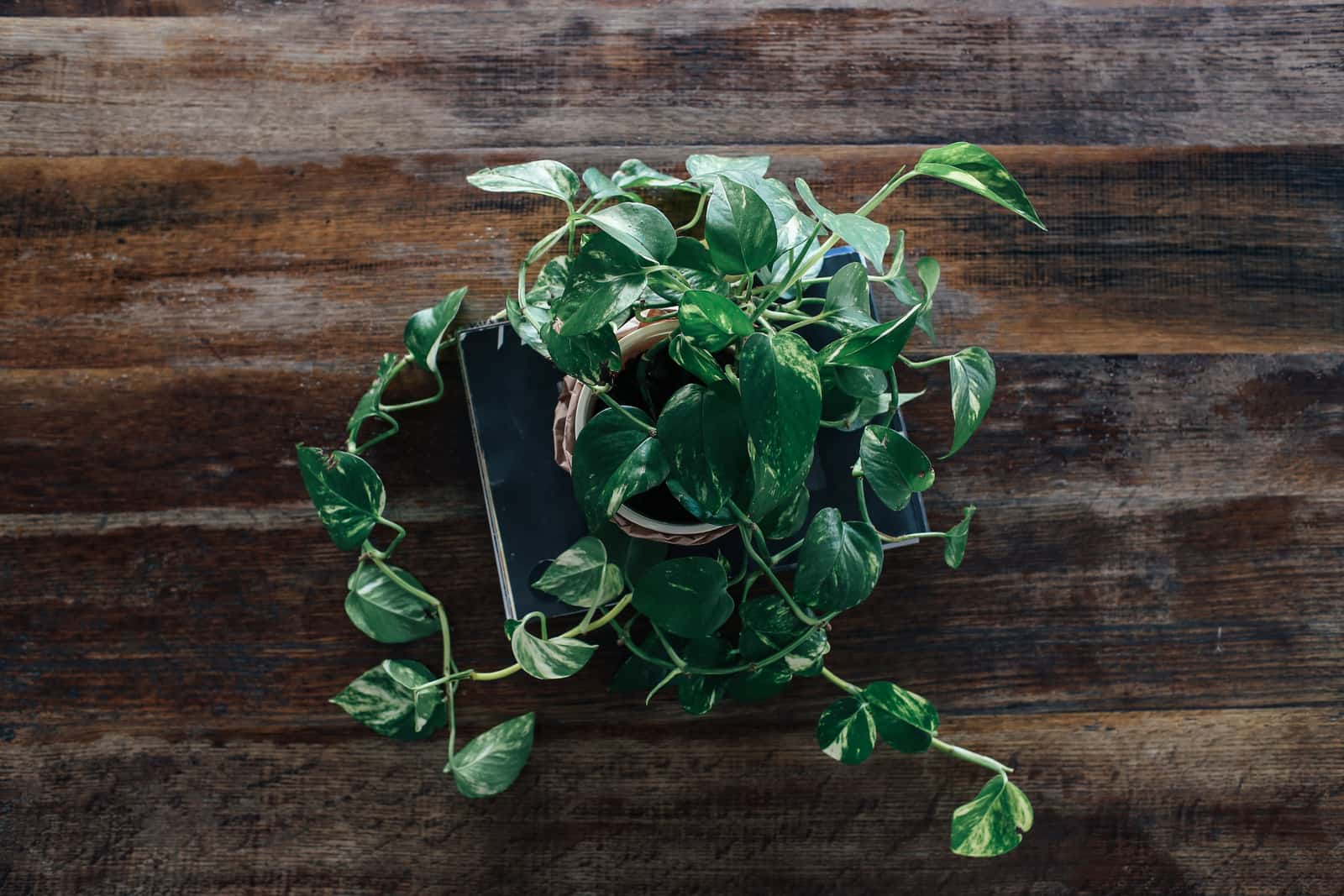
Houseplants
Grow Lights for Pothos
When a pothos needs a fixture, the lamp distance that hits the low band, and the variegation exception.
Top pick
SANSI 36W BR30 Grow Light Bulb
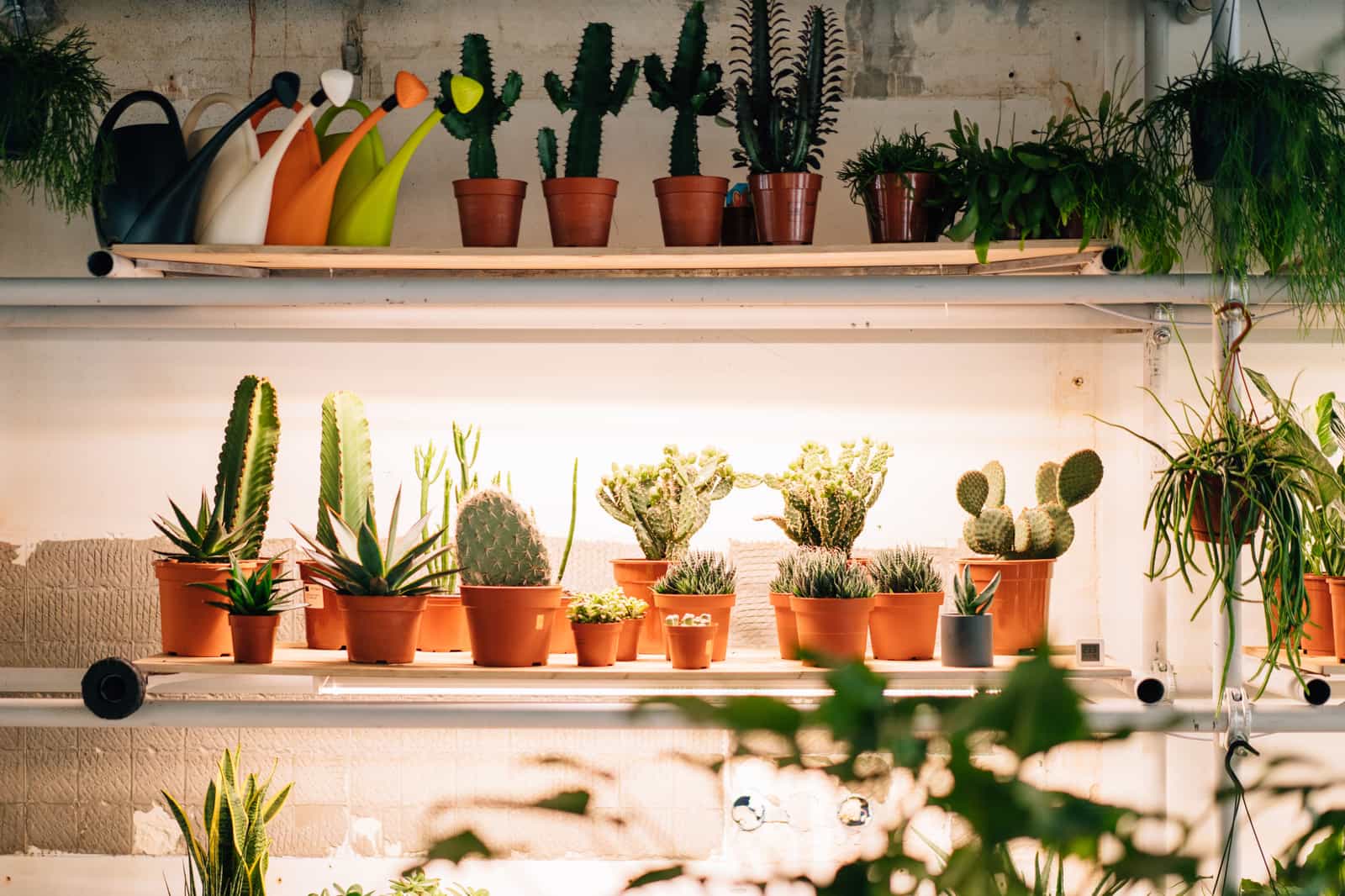
Houseplants
What Plants Benefit From Grow Lights?
Plants ranked by how much a fixture actually changes the outcome, not by their light band.
Top pick
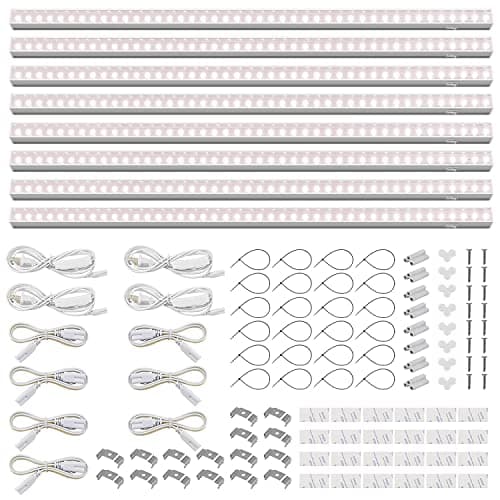
Barrina T5 4ft Grow Light Strips
Coverage & Sizing
PPFD Targets by Plant Type
Published light bands mapped to common indoor plants, with the DLI each implies.
Top pick
GooingTop Clip Grow Light
Coverage & Sizing
How Far Should a Grow Light Be From Plants?
The inverse-square rule, published PPFD-at-distance figures, and a by-plant table.
Top pick
Soltech Aspect Gen 2
Where this sits
This page belongs to Grow Lights for Houseplants and Winter. Every figure on it is either quoted from a named published source or derived in view — the full method is on our methodology page, and how the site is funded is on the affiliate disclosure.